What Happens to Donated Clothes? Where They Really End Up
Most donated clothes don't stay in the shop you gave them to. A Metro Vancouver report found that only about 20–25% of donations sold in local thrift stores. The rest was sold on to brokers, who exported around half to second-hand markets abroad and turned most of the remainder into wiping rags and insulation. About one in ten of those items became rubbish.
Where do donated clothes go?
A donation usually passes through four stages. The details vary by charity and country, but the route is broadly the same.
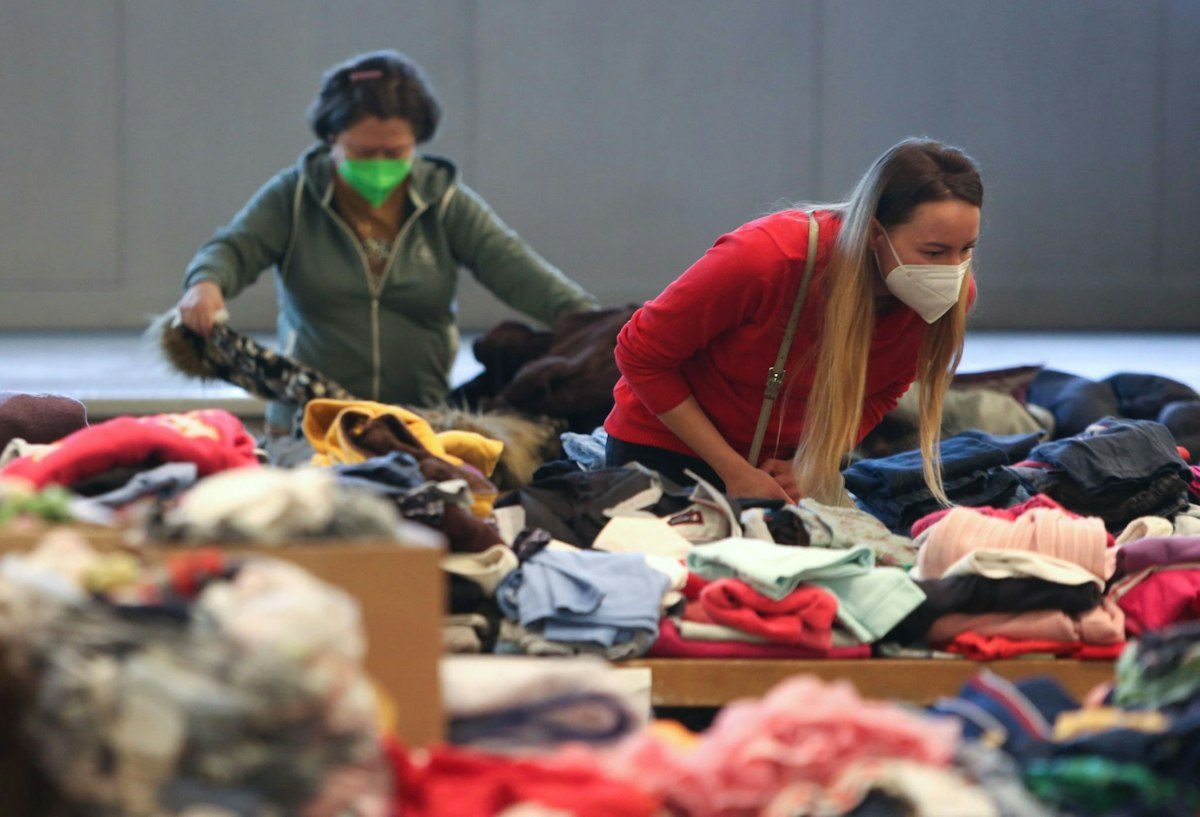
- Sorting. Staff or volunteers open every bag. Anything clean, in season and in good condition is priced for the shop floor.
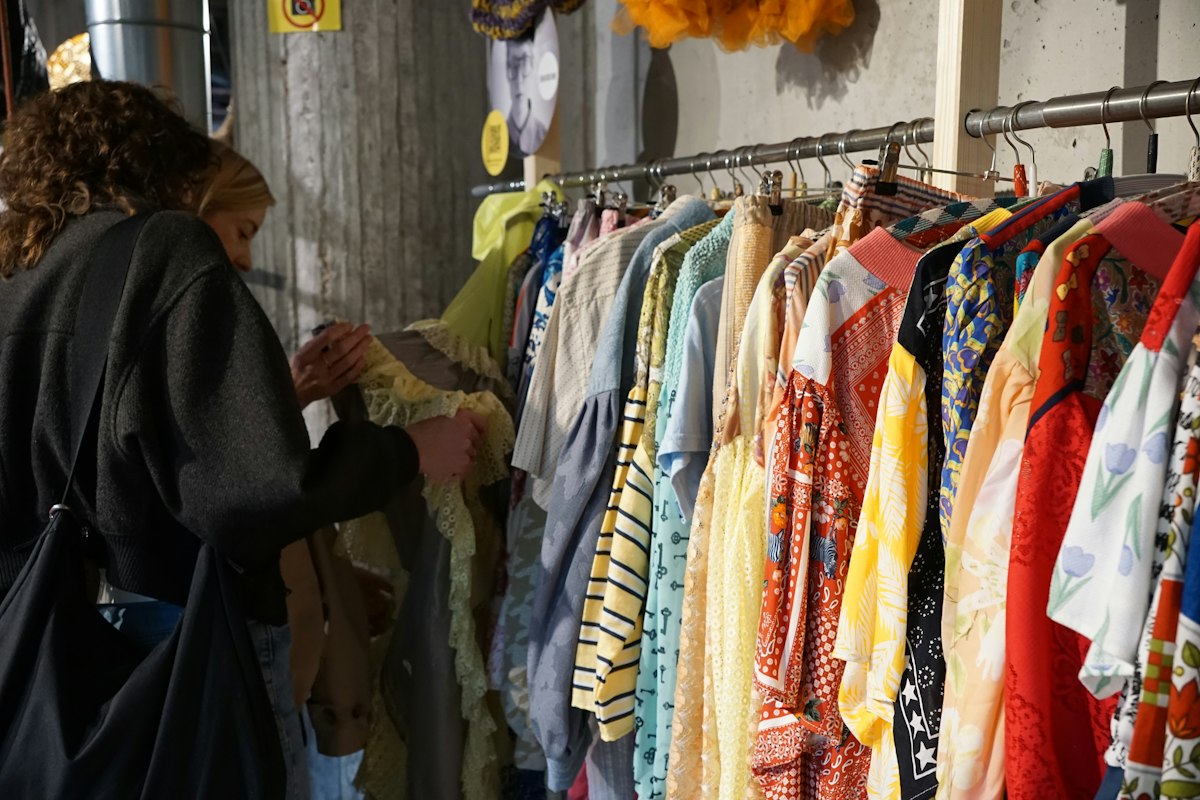
- The shop rail. Each piece gets a limited time to sell. What doesn't sell makes way for newer donations.
- Brokers. Unsold and unsuitable clothing is sold by weight to textile merchants, who grade it by quality, type and fibre.
- Export, recycling or waste. The best grades are baled and shipped to second-hand markets abroad, lower grades become wiping rags, insulation and other fibre products, and the rest is thrown away.
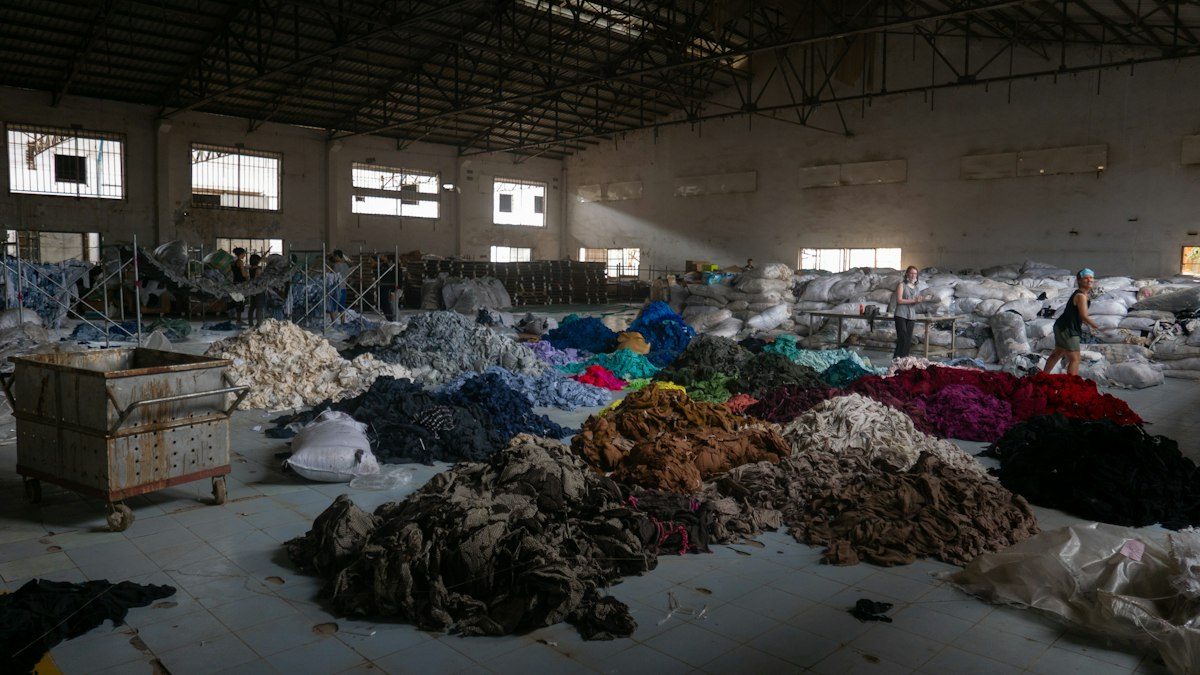
How much of what you donate actually gets sold?
Less than most people assume. In 2018, Karen Storry, a senior project engineer in Metro Vancouver's solid waste services, reported to the region's zero waste committee that around 20–25% of donations were sold in local thrift stores. Of the clothing that went on to brokers, about 50% was exported to second-hand markets, 20% became industrial wiping rags, 20% was made into insulation and emergency blankets, and 10% ended up as garbage.
Figures differ between charities and countries, so treat these as one well-documented example rather than a universal rule. The pattern, though, is a familiar one: the shop rail is the smaller part of the story.
Where do exported second-hand clothes end up?
In markets where traders buy used clothing by the bale, often without knowing what's inside. Kantamanto market in Accra, Ghana, is one of the largest. CNN reported in 2023 that about 15 million garments arrive in Ghana every week, most of them at Kantamanto, and that around 40% eventually end up as waste. Those are estimates rather than counts, but they show what happens when the volume of donations outgrows demand. Clothes that can't be sold become somebody else's waste problem.
Do charity shops throw away clothes?
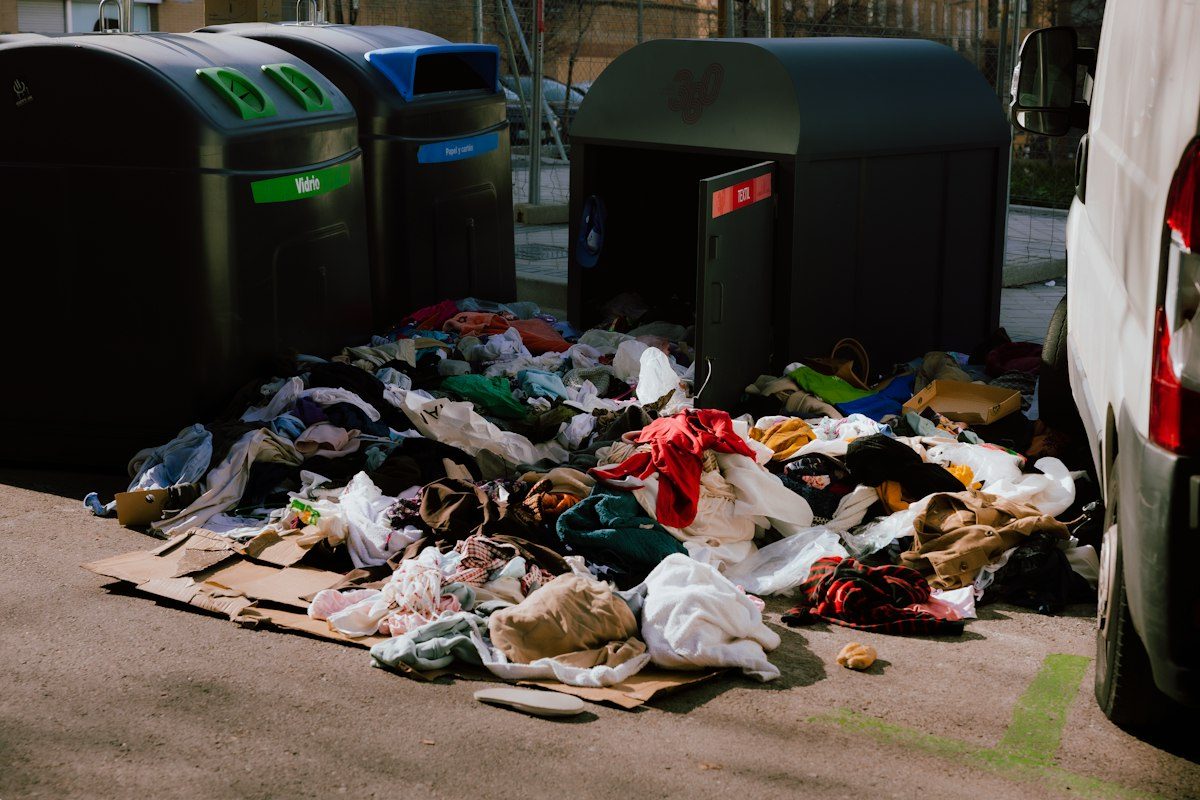
Some, but usually only what nobody can use. Wet, mouldy or soiled items are generally thrown away, because they can't be sold even by weight. Clean but damaged textiles have more options, since many can still be sold on for rags or fibre. That's why a torn T-shirt belongs in a textile bank rather than your bin.
Plenty of clothing never reaches a charity at all. In the US, the EPA estimates that 11.3 million tons of textiles went to landfill in 2018, while only 14.7% of textiles were recycled. For clothing and footwear, the figure was 13%. For the bigger picture, see our textile waste statistics.
How to donate clothes so they actually get worn
- Wash and dry everything first. Damp clothes can go mouldy in the bag.
- Donate in season: coats in autumn, linen in spring. Shops have limited space and sell what people need now.
- Fix small faults before you give. A missing button or a dropped hem can keep a piece off the rail, and a tailor can fix more than you'd think.
- Keep pairs together. Tie shoes by their laces and bag matching sets.
- Bag clothes separately from bric-a-brac, and label anything you know is damaged.
- Use the charity's own drop-off where you can, and check who runs any collection bin. Not every bin belongs to a charity.
What to do with clothes that can't be donated
If a piece is too worn, stained or damaged for a charity shop, it still doesn't belong in the bin. Work down this list:
- Repair it. A split seam, a dropped hem or a missing button is an evening's work. Here's how to make clothes last.
- Swap it, honestly. If it's wearable but not shop-perfect, a friend may still want it. Say what's wrong up front, and check what's worth swapping before you offer it.
- Recycle it. Textile banks, many councils and some retailers take worn-out clothes, shoes and linens for recycling. Check what yours accepts.
- Reuse it at home. Old T-shirts make good cleaning cloths, and a worn jumper can line a pet bed.
- Ask before you give. Some charities sell damaged textiles on for recycling and are happy to take them, labelled. Others aren't, and a quick question saves them the sorting.
Is it better to donate clothes or swap them?
For clothes that are still good, swapping is the more direct route. A donation enters a system where most items are sold on by weight, whereas a swap hands each piece to someone who has already chosen it. Donating is still the right move for clothes nobody you know wants, and charity shops raise real money for good causes. The aim is simply to give every piece its best chance of being worn. A clothing swap is the easiest place to start.
“A donation is a hope. A swap is a match.”
— The Bestis Editors
Frequently asked questions
What happens to clothes that don't sell in charity shops?
They're usually sold by weight to textile brokers, who grade them. In Metro Vancouver, about half of what brokers received was exported to second-hand markets, 20% became wiping rags, 20% became insulation and blankets, and 10% was thrown away.
Do donated clothes go to people in need?
Mostly not directly. Charity shops sell donations to raise money for their causes, and unsold clothing is sold on by weight. If you want clothes to reach people directly, ask a local shelter, refugee group or clothing bank what they need.
Where do clothes in donation bins go?
It depends who runs the bin. Charity-run bins supply that charity's shops and textile sales, while commercial collectors sell what they collect. The operator should be named on the bin, so check before you use it.
Can I donate clothes with holes or stains?
Not for the shop rail. Repair them, take them to a textile bank, or give them to a charity that says it accepts damaged textiles for recycling. Wet or soiled items are usually thrown away.
What is the most sustainable thing to do with old clothes?
Keep wearing them, then pass them on to someone who has chosen them, through a friend, a swap or a buyer. Donation and recycling come after that. Every extra wear counts: WRAP found that three more months of use cuts a garment's carbon, water and waste footprints by around 5–10% each. And the best way to have fewer clothes to give away is buying less fast fashion.
Sources
- Georgia Straight: Ever wonder where clothing donations go? (June 2018), reporting a Metro Vancouver staff report.
- US EPA: Textiles: material-specific data (2018 figures).
- CNN: Kantamanto market: At one of the world's largest clothing dumps, textiles are getting a new lease of life (August 2023).
- WRAP, Valuing Our Clothes: the true cost of how we design, use and dispose of clothing in the UK (2012).
On Bestis, the clothes you've finished with go to people who chose them. List what you've stopped wearing, let your circles see it, and swap or lend it on. That way a good jacket gets another winter instead of a trip through the sorting line.
Start swapping your style
Bestis is the private network where you swap, borrow and sell with the people you trust.