Alternatives to Fast Fashion That Cost Less, Not More

The best alternatives to fast fashion cost less, not more. Wear what you already own, swap, borrow, buy second-hand, rent for one-offs and repair what breaks. Sustainable brands are an alternative too, but they're the expensive end. What matters most is keeping clothes in use: WRAP found that three extra months of wear cuts a garment's carbon, water and waste footprints by around 5–10% each.
What is fast fashion?
Fast fashion is cheap, trend-led clothing made quickly and in huge volumes, designed to be replaced rather than kept. McKinsey found that clothing production doubled between 2000 and 2014. Over the same period, the number of garments the average person bought each year rose by about 60%, and people kept each item about half as long as they had fifteen years earlier. Here's why fashion trends move so fast now.
Why is fast fashion bad?
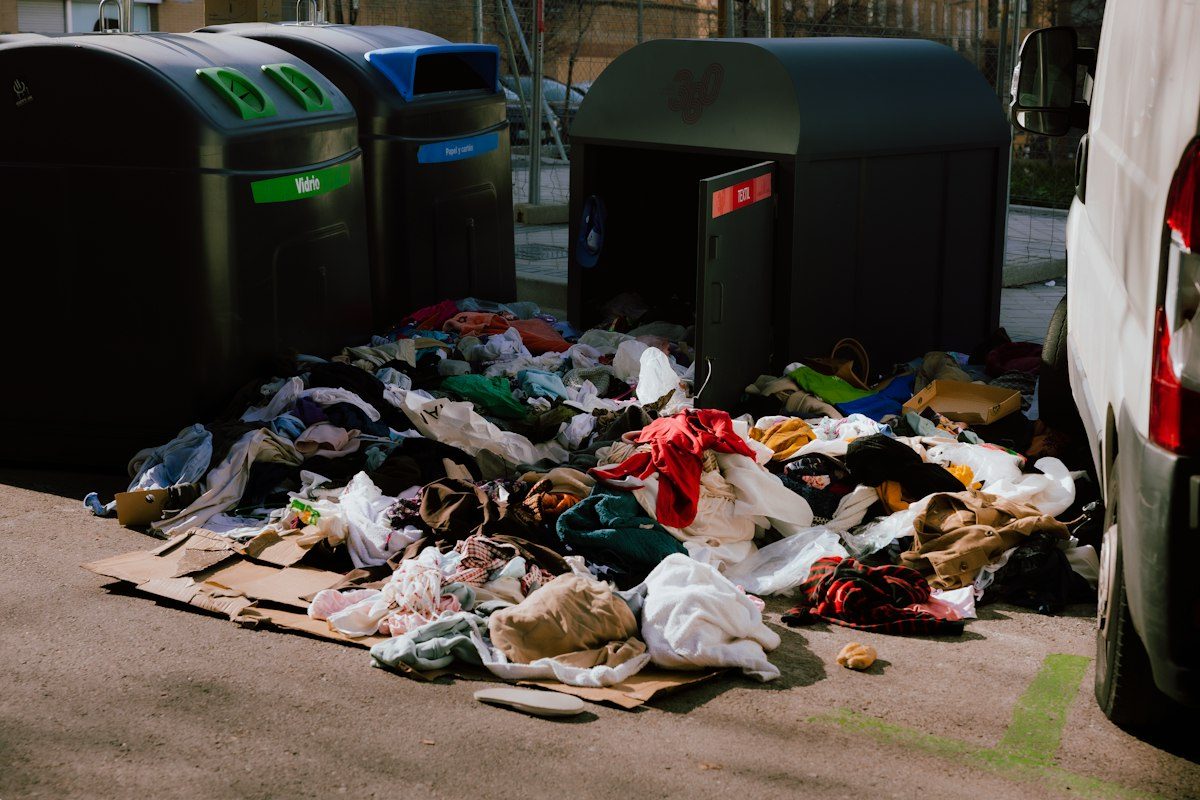
Mostly because of volume. The UN Environment Programme puts the fashion industry's share of global carbon emissions at between 2% and 8%, and says the equivalent of one rubbish truck of textiles is landfilled or burned every second. Each garment is also worn less. According to UNEP, the number of times a garment is worn has fallen by 36% in fifteen years. Cheap clothes aren't the problem on their own. The problem is clothes that are bought, barely worn and replaced. More figures are in our textile waste statistics.
Alternatives to fast fashion, cheapest first
- Wear what you already own (free). Most wardrobes hold more than their owners use. Digitising yours shows what's actually there, and having nothing to wear is usually a styling problem, not a shortage.
- Swap (free). Trade the pieces you've stopped wearing for ones that are new to you, at a clothing swap or with friends any time.
- Borrow (free). For a wedding, an interview or a trip, borrowing from friends beats buying something you'll wear once.
- Buy second-hand (cheap). Charity shops, vintage stores and resale apps cover almost everything. See how swapping compares with thrifting.
- Rent (for one-offs). Rental makes most sense for formalwear and occasion dresses, and rent, swap or buy walks through the maths.
- Repair and alter (cheap). A tailor can take in, shorten or re-hem for far less than a replacement. See what a tailor can fix.
- Buy new, buy better, and buy it last. When you do buy new, buy fewer, better things and check what sustainable means on a label.
How to stop buying fast fashion
- Unsubscribe from brand emails and turn off shopping-app notifications. Fewer prompts mean fewer purchases.
- Wait 30 days. Put anything you want on a list, and buy it only if you still want it a month later.
- Do the cost-per-wear maths. A $15 top worn twice costs $7.50 a wear, while a $60 one worn forty times costs $1.50.
- Shop from a list of real gaps, not a mood.
- Swap before you shop. Ask your friends first, because the thing you want may already be in someone's wardrobe.
- Try a trend before you buy into it. Swap into a trend for a season and see whether it lasts.
- Count what you've bought this year. Seeing the number is often enough.
Black Friday without fast fashion
Black Friday falls on 27 November in 2026, and it's the biggest test of the year. It's also Buy Nothing Day, an anti-consumerism protest first held in 1992. You don't have to buy nothing to take part. Skip the clothing deals, host a swap with friends that weekend, or start a Christmas jumper swap before the festive buying begins.
Are sustainable brands a good alternative to fast fashion?
They can be, but they're the most expensive option on the list, and a new garment is still a new garment. Words like "conscious" or "eco" don't tell you much on their own, so look for specific claims you can check. Buy from sustainable brands when you genuinely need something new. Don't buy from them instead of wearing what you have.
“Fast fashion sells newness. Swapping gives you newness without the new.”
— The Bestis Editors
Frequently asked questions
What is the cheapest alternative to fast fashion?
Wearing what you already own, then swapping and borrowing, which are all free. After those, second-hand is usually the cheapest way to buy.
How do I stop buying fast fashion?
Remove the prompts by unsubscribing from brand emails and deleting shopping apps. Then wait 30 days before buying, shop from a list of real gaps and check the cost per wear. When you want something new, swap or borrow first.
Is buying second-hand fast fashion bad?
No. Buying a fast-fashion piece second-hand adds wears to something that already exists instead of paying for a new one to be made. Check the condition and fabric so it lasts.
Are sustainable brands better than fast fashion?
Often, but they cost more and they're still new clothes. Rewearing, swapping, borrowing and second-hand come first. Buy from sustainable brands when you genuinely need something new.
What is slow fashion?
Slow fashion is the opposite approach: buying less, choosing well-made clothes and keeping them in use for as long as possible through care, repair and passing them on.
Sources
- McKinsey & Company: Style that's sustainable: A new fast-fashion formula (2016).
- UN Environment Programme: Putting the brakes on fast fashion (2018).
- WRAP, Valuing Our Clothes: the true cost of how we design, use and dispose of clothing in the UK (2012).
- Wikipedia: Buy Nothing Day.
On Bestis, the free alternatives sit in one place. Your digital wardrobe shows what you already own, and your circles show what friends are ready to swap or lend. Every borrow comes with its return date and condition notes, so the next piece that's new to you doesn't have to come from a checkout.
Start swapping your style
Bestis is the private network where you swap, borrow and sell with the people you trust.