Textile Waste Statistics 2026: Key Figures, With Sources
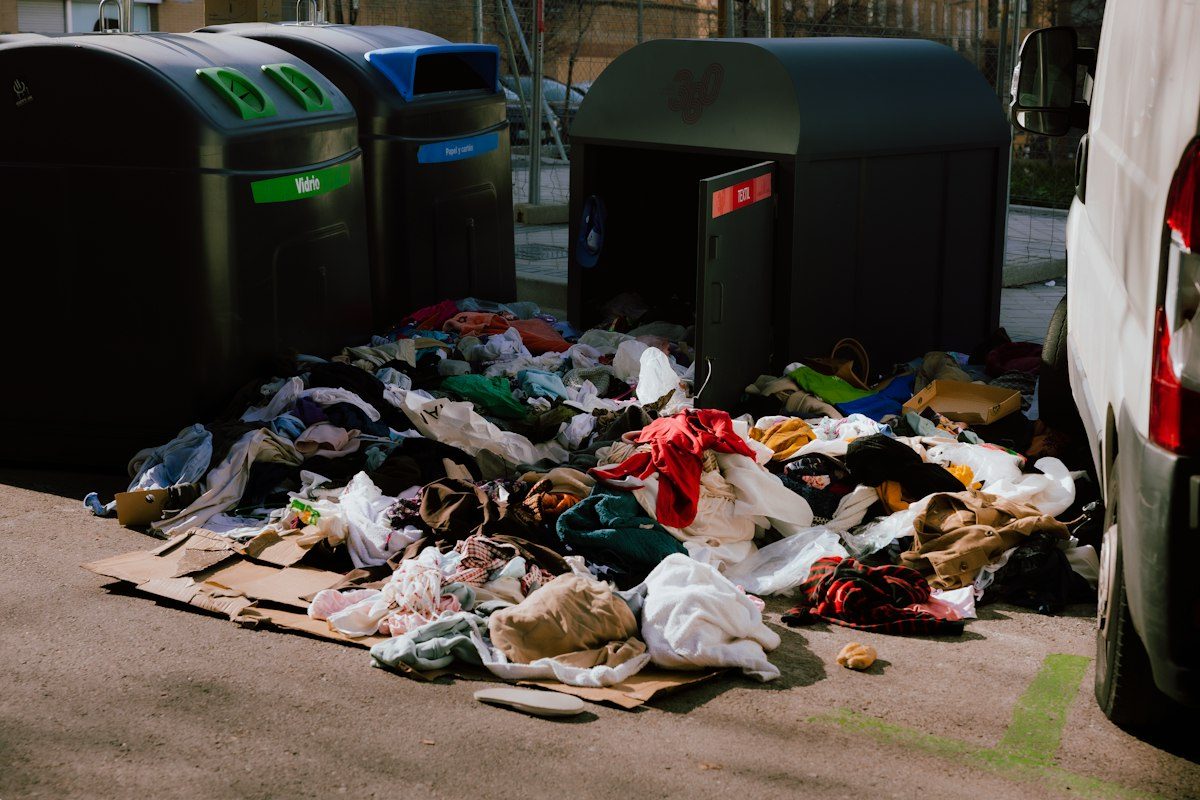
Most clothing still ends up as waste. The Ellen MacArthur Foundation estimated that 73% of the material used to make clothing is landfilled or incinerated after use, and less than 1% is recycled into new clothes. In the US, 11.3 million tons of textiles went to landfill in 2018. The EU generated about 16 kg of textile waste per person in 2020.
Textile waste statistics at a glance
- 73% of the material used to make clothing is landfilled or incinerated after use (Ellen MacArthur Foundation, 2015 data).
- Less than 1% of the material used to make clothing is recycled into new clothing (Ellen MacArthur Foundation).
- 17 million tons of textiles entered US municipal waste in 2018, and 11.3 million tons of them went to landfill (US EPA).
- The EU generated 6.95 million tonnes of textile waste in 2020, about 16 kg per person (European Environment Agency).
- An estimated 350,000 tonnes of used clothing went to landfill in the UK every year (WRAP, 2012).
- Global fibre production reached a record 124 million tonnes in 2023, and 57% of it was polyester (Textile Exchange).
- The fashion industry produces between 2% and 8% of global carbon emissions (UN Environment Programme).
- The number of times a garment is worn fell by 36% in fifteen years (Ellen MacArthur Foundation).
How much textile waste is there worldwide?
Nobody measures it directly, so every global figure is an estimate. The one you'll see most often, more than 92 million tonnes a year, appears in a 2020 review in Nature Reviews Earth & Environment. Treat it as an order of magnitude rather than a count.
The most detailed picture is the Ellen MacArthur Foundation's analysis of what happened to clothing material in 2015. Of 53 million tonnes of fibre produced for clothing, 73% was landfilled or incinerated after use and 12% was recycled into lower-value products such as insulation, wiping cloths and mattress stuffing. Less than 1% was recycled into new clothing.
How many clothes are thrown away each year?
In the US, the EPA estimates that 17 million tons of textiles were thrown away in 2018, or 5.8% of all municipal waste. Of that, 11.3 million tons went to landfill, 3.2 million tons were burned with energy recovery and 2.5 million tons were recycled. For clothing and footwear, the recycling rate was 13%.
In the EU, the European Environment Agency estimates 6.95 million tonnes of textile waste in 2020, about 16 kg per person. Only 4.4 kg per person was collected separately for reuse and recycling, while the other 11.6 kg went into mixed household waste. Of the total, 82% was post-consumer waste: clothes and household textiles people had used.
In the UK, WRAP estimated in 2012 that around 350,000 tonnes of used clothing, worth about £140 million, went to landfill every year. It's an older estimate, so treat it as a baseline.
How much clothing is recycled?
Very little goes back into clothing. The Ellen MacArthur Foundation found that less than 1% of the material used to make clothes is recycled into new clothes, a loss of more than $100 billion worth of materials every year. Most textiles that are recycled are downcycled into insulation, wiping cloths and stuffing.
Recycled polyester rarely comes from old clothes either. Textile Exchange reports that most recycled polyester still comes from plastic bottles, and that recycled polyester's share of the market fell from 13.6% to 12.5% in 2023.
What happens to the clothes people give away?
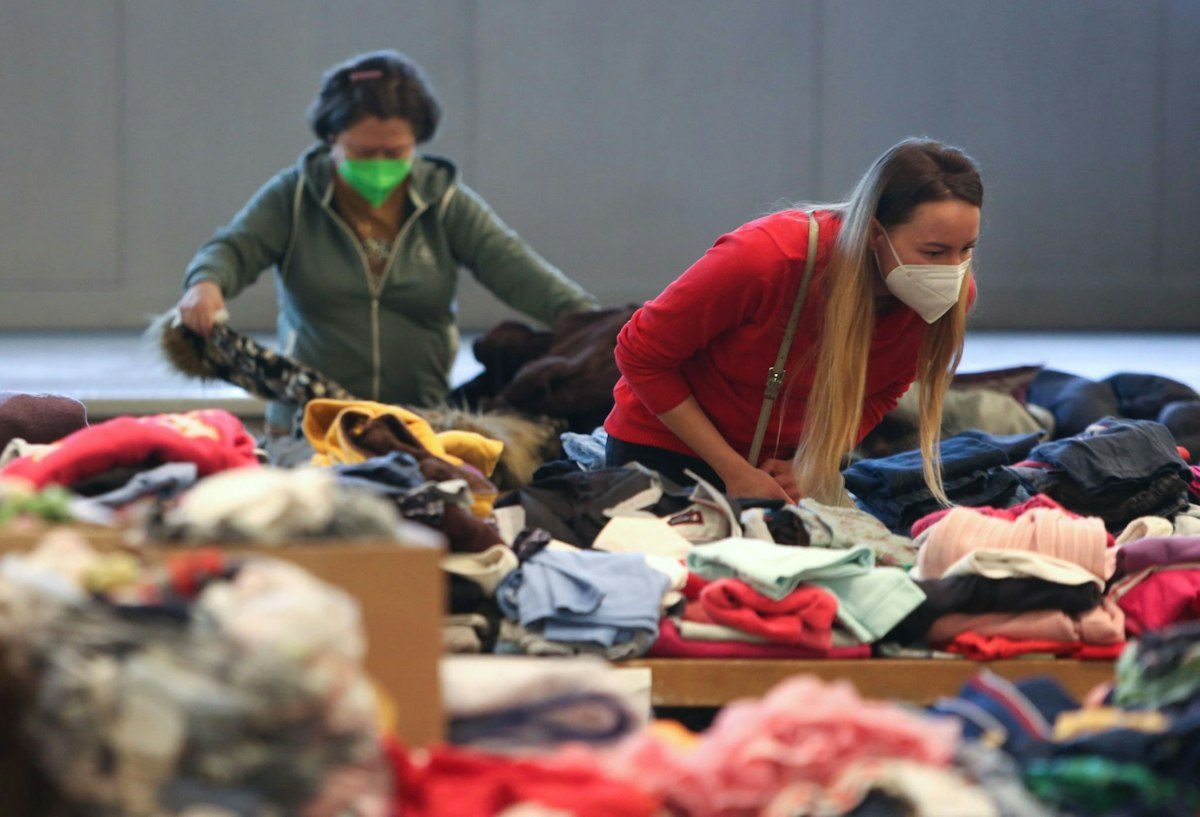
Much of it is exported. Donated clothing that doesn't sell locally is sold by weight, graded and shipped to second-hand markets abroad. CNN reported in 2023 that about 15 million garments arrive in Ghana every week, most of them at Kantamanto market in Accra, and that around 40% end up as waste. Here's what happens to donated clothes, step by step.
How much clothing is produced each year?
Waste follows production. Textile Exchange reports that global fibre production reached a record 124 million tonnes in 2023, up from 116 million tonnes in 2022, and could reach 160 million tonnes by 2030 if current trends continue. Polyester alone made up 57% of it. McKinsey found that clothing production doubled between 2000 and 2014, the year the world first made more than 100 billion garments.
How long do people keep their clothes?
Not long enough. The Ellen MacArthur Foundation found that the average number of times a garment is worn had fallen by 36% compared with fifteen years earlier, and that some garments are discarded after just seven to ten wears. McKinsey found that people kept each item about half as long as they had fifteen years before. This is where the biggest savings are: WRAP found that keeping clothes in use for three months longer cuts their carbon, water and waste footprints by around 5–10% each.
Why does textile waste matter?
Because every garment thrown away carries the footprint of making it. The UN Environment Programme puts the fashion industry's share of global carbon emissions at between 2% and 8%, and estimates that textiles account for about 9% of the microplastics lost to the ocean each year. With polyester now 57% of fibre production, more and more textile waste is plastic.
Why textile waste statistics don't agree
- They measure different things: all textiles (including sheets and towels), clothing only, or only what consumers throw away.
- They're from different years. The US figures on the EPA's textiles page are for 2018, and the EEA's EU figures are for 2020.
- Global figures are modelled, not measured, so they're estimates.
- Many statistics sites repeat numbers without sources. If you can't trace a figure back to a report, don't rely on it.
“The cheapest tonne of textile waste to deal with is the one that never gets made.”
— The Bestis Editors
Frequently asked questions
How many clothes are thrown away each year?
There's no measured global total. The most-quoted estimate is more than 92 million tonnes of textile waste a year. In the US, 11.3 million tons of textiles went to landfill in 2018, and in the EU about 11.6 kg per person went into mixed household waste in 2020.
What percentage of clothing is recycled?
Less than 1% of the material used to make clothing is recycled into new clothing, and about 12% is recycled into lower-value products such as insulation and wiping cloths, according to the Ellen MacArthur Foundation. In the US, the recycling rate for clothing and footwear was 13% in 2018.
How much textile waste does the average person produce?
In the EU, about 16 kg per person in 2020, according to the European Environment Agency. Only 4.4 kg of that was collected separately for reuse and recycling.
What is the biggest source of textile waste?
Consumers. In the EU, 82% of textile waste in 2020 was post-consumer: clothing and household textiles that people had used. The rest came from manufacturing and unsold stock.
How long do clothes take to decompose?
It depends on the fibre, and there's no reliable single figure. Natural fibres such as cotton and wool can biodegrade, though slowly in a landfill. Synthetic fibres such as polyester are plastics and don't biodegrade in any meaningful timeframe.
How can I reduce my textile waste?
Buy less and wear what you own for longer, then swap, borrow, repair and buy second-hand before buying new. Here are the cheapest alternatives to fast fashion.
Sources
- Ellen MacArthur Foundation: A New Textiles Economy, summary of findings (2017).
- US EPA: Textiles: material-specific data (2018 figures).
- European Environment Agency: Management of used and waste textiles in Europe's circular economy (2024).
- WRAP, Valuing Our Clothes: the true cost of how we design, use and dispose of clothing in the UK (2012).
- Textile Exchange: Materials Market Report 2024.
- McKinsey & Company: Style that's sustainable: A new fast-fashion formula (2016).
- UN Environment Programme: Putting the brakes on fast fashion (2018).
- Niinimäki et al.: The environmental price of fast fashion, Nature Reviews Earth & Environment (2020).
- CNN: Kantamanto market: At one of the world's largest clothing dumps, textiles are getting a new lease of life (August 2023).
On Bestis, cutting textile waste starts with the clothes already in your wardrobe. List what you've stopped wearing, swap or lend it within your circles, and borrow instead of buying for one-offs. Every piece that changes hands is one that doesn't have to be made new or thrown away.
Start swapping your style
Bestis is the private network where you swap, borrow and sell with the people you trust.