What Is a Clothing Swap? How It Works, Rules & Where to Find One
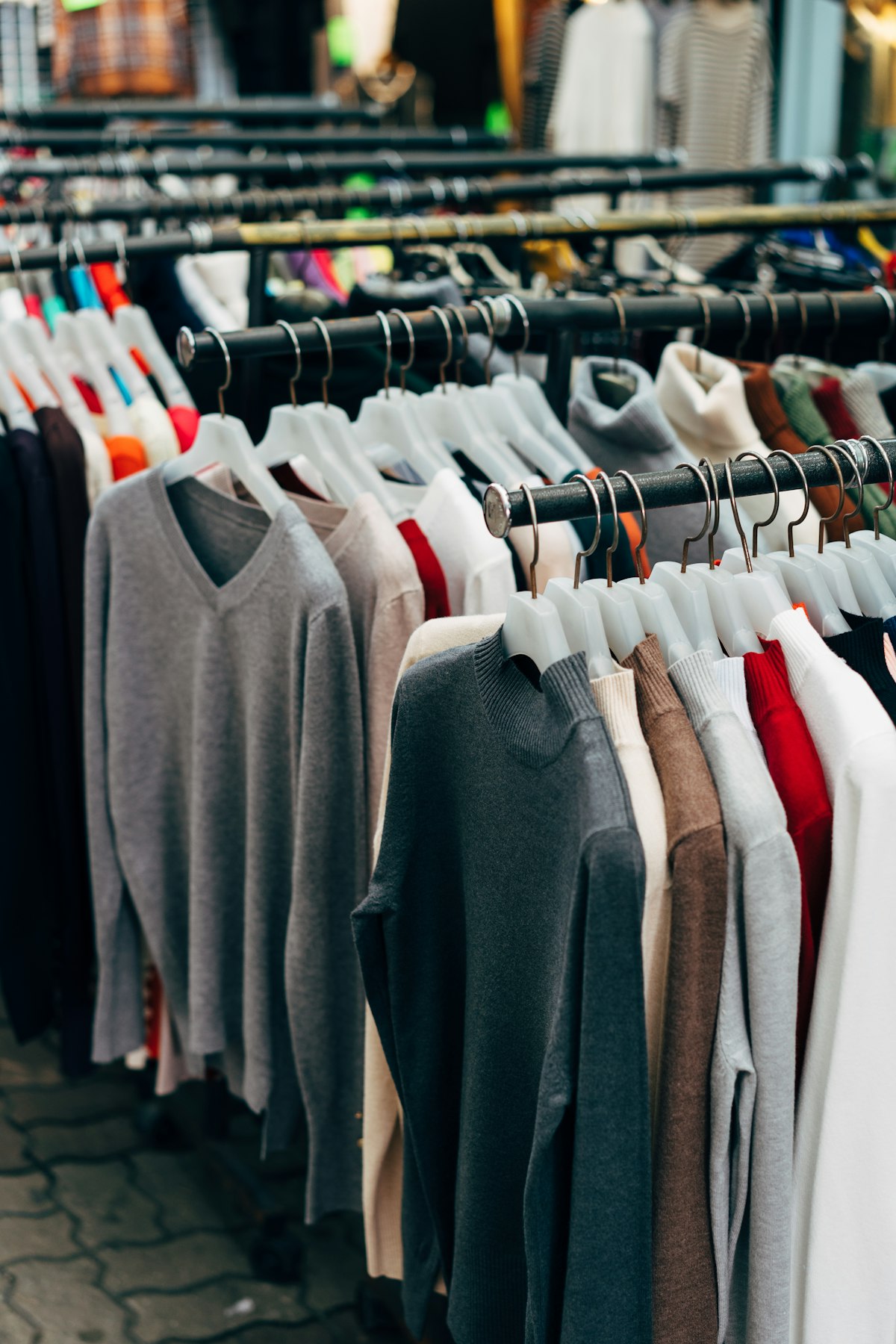
A clothing swap is an event where people bring clean clothes they no longer wear and trade them for pieces other people have brought, usually without any money changing hands. Everyone leaves with something new to them, and the clothes nobody wanted any more get worn again instead of being thrown away.
Clothing swaps are also called clothes swaps, swap parties or clothing exchanges. They range from six friends in a living room to community events with hundreds of people and rails of donated stock. The idea is always the same: trade, don't buy.
The short version
- You bring clothes, shoes or accessories that are clean and in good condition.
- You take home roughly as many pieces as you brought, often tracked with tokens.
- Most swaps are free, or ask for a small donation to cover the venue.
- Anything left at the end is usually donated to charity or sent for textile recycling.
How does a clothing swap work?
Most swaps follow the same pattern, whether they're run by a friend or by a library:
- Before the day, everyone sorts out clothes they no longer wear and checks them for stains, holes and missing buttons.
- On arrival, you hand in your pieces. At bigger events you get one token for each item accepted.
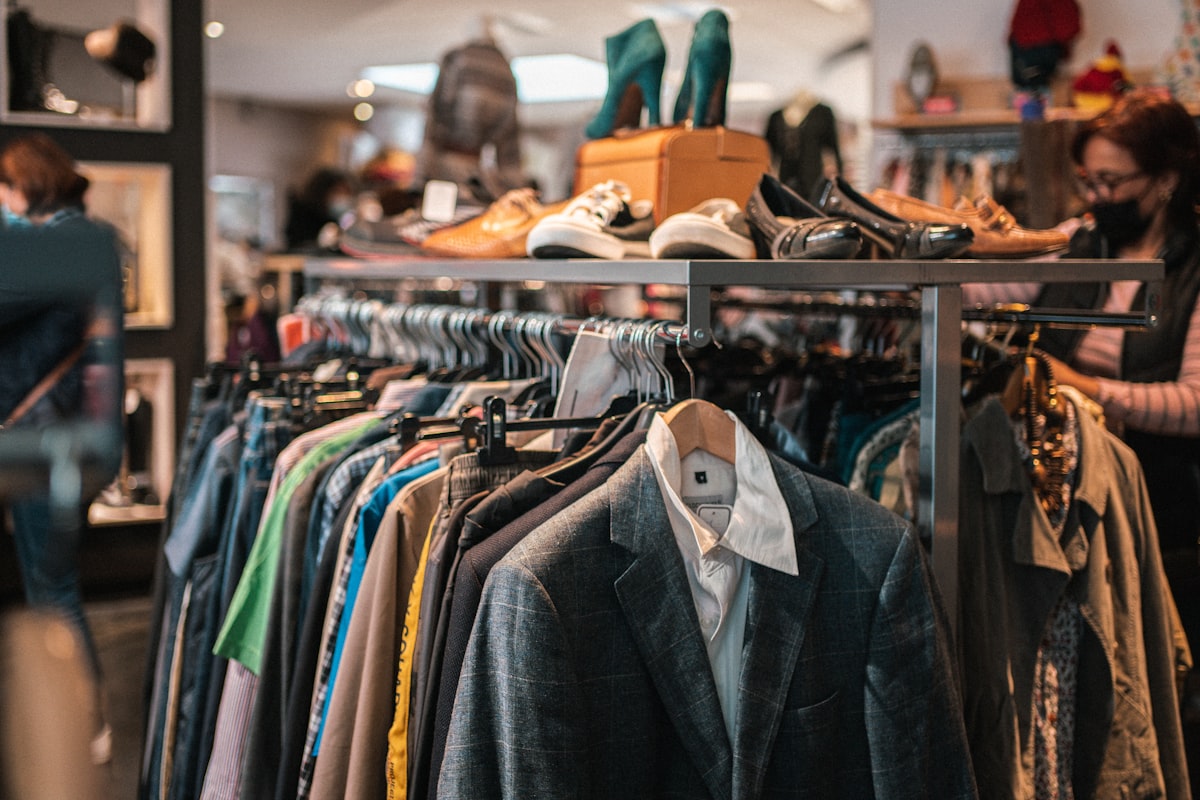
- Organisers lay everything out by category and size — tops, bottoms, dresses, outerwear, shoes, accessories.
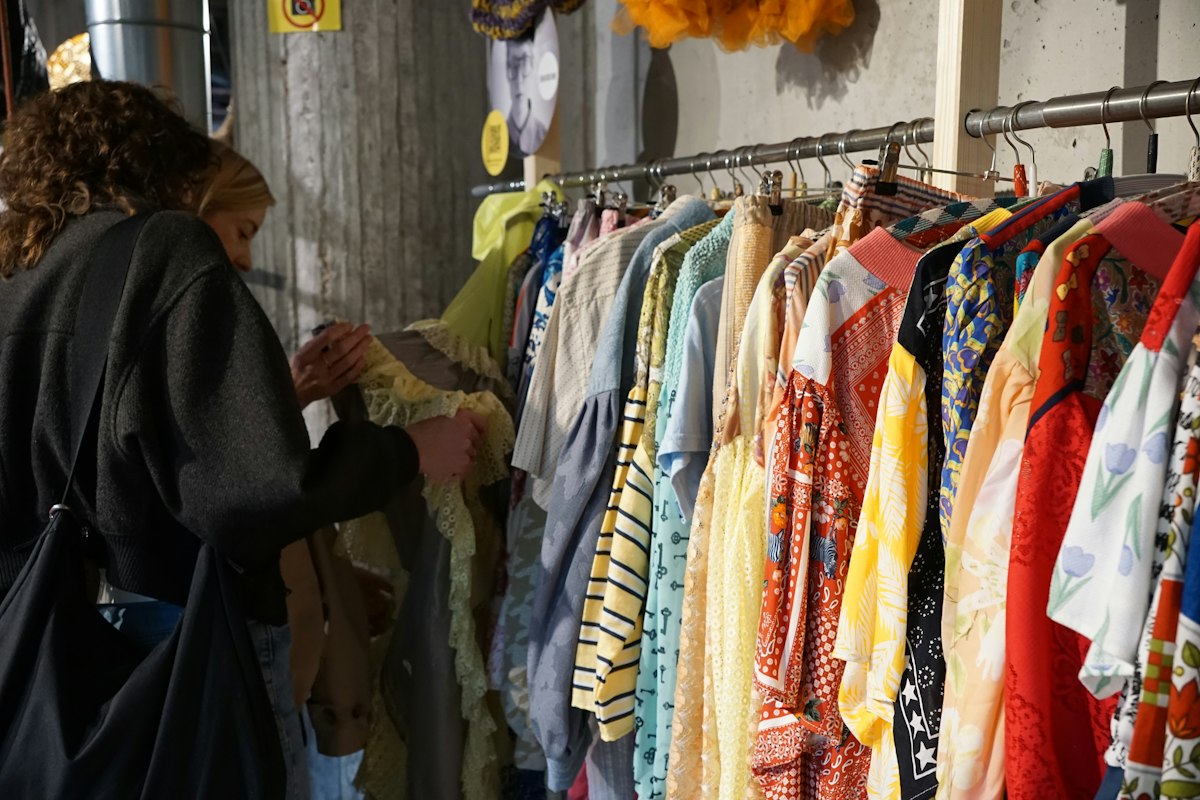
- Everyone browses and tries things on. You claim pieces by spending tokens or by picking in turns.
- At the end, leftovers go to a charity or textile recycling point agreed in advance.
What are the rules of a clothing swap?
The rules vary, but nearly every swap runs on the same few: bring only clean, wearable clothes you would happily give a friend; take roughly what you bring; don't reserve or hide pieces for later; try things on in the space provided; and accept that anything unclaimed will be donated. Underwear and swimwear are usually excluded unless they're new with tags. The full list of clothing swap rules covers claiming, ties and online swaps too.
What are the different types of clothing swap?
- Swap party: a small group of friends at someone's home. Informal, sociable, and the easiest kind to start.
- Community clothing swap: a public event at a library, community centre, school or university, usually free and token-based.
- Workplace swap: run by colleagues, often in a lunch break or around a sustainability week.
- Online clothing swap: groups and apps where people post pieces, agree a trade and post them to each other. Swapping with strangers safely takes a few precautions.
- Swap circle: a small group that trades continuously rather than at one-off events, so pieces keep moving between people who know each other. Here's how to start one at school or uni.
One naming trap: some shops call themselves clothing exchanges but buy your clothes for cash or store credit. That's resale rather than a swap. In a swap, clothes are traded for clothes.
Why do people swap clothes?
Partly for the obvious reasons — it's free and it's fun. But the bigger reason is how much clothing sits unworn or ends up as waste:
- WRAP, the UK waste charity, estimated in 2012 that around 30% of the clothing in the average UK wardrobe had not been worn for at least a year.
- The Ellen MacArthur Foundation's 2017 report A New Textiles Economy estimated that the equivalent of one rubbish truck of textiles is landfilled or burned every second.
- The US Environmental Protection Agency estimates that 17 million tons of textiles entered US municipal waste in 2018. Around 2.5 million tons were recycled and 11.3 million tons went to landfill.
- WRAP also found that keeping clothes in active use for just three months longer would cut each of their carbon, water and waste footprints by around 5–10%.
A swap tackles both ends of that at once. Clothes that were sitting unworn get a second life, and the people taking them don't need to buy something new.
“A swap is the only kind of shopping where your wardrobe gets lighter and better at the same time.”
— The Bestis Editors
What should you bring to a clothing swap?
Bring pieces you would be glad to receive: clean, freshly washed, free of stains and holes, with working zips and all their buttons. Five to ten items is a common amount. Seasonal pieces help — bring coats in autumn and summer dresses in spring. Shoes, bags, belts, scarves and jewellery are welcome at most swaps; check before bringing anything very large or very valuable. Some things are better left at home: here's what not to swap.
Is a clothing swap the same as thrifting?
No. Thrifting means buying second-hand clothes from a charity shop, vintage store or resale app. A swap involves no buying at all: you pay with the clothes you bring. Many people do both — thrifting for specific pieces and swapping to move on what they no longer wear. Here's a fuller comparison of swapping and thrifting.
Frequently asked questions
Is a clothing swap free?
Usually, yes. Most clothing swaps are free to join, and you take home clothes in return for the ones you bring. Some community events ask for a small entry fee or a donation to cover the venue.
Do you have to bring clothes to a clothing swap?
At most swaps you do, because taking roughly what you bring is what keeps them fair. Some community events let people with nothing to bring take a few pieces, especially near the end when leftovers would otherwise be donated.
How many clothes should I bring to a clothing swap?
Five to ten good-quality pieces is typical. Many swaps set a minimum, often around five items, so there is plenty of choice for everyone.
What happens to clothes nobody takes at a swap?
They are normally donated to a charity shop or taken to a textile recycling point chosen before the event. Some organisers keep good pieces for the next swap.
How do I find a clothing swap near me?
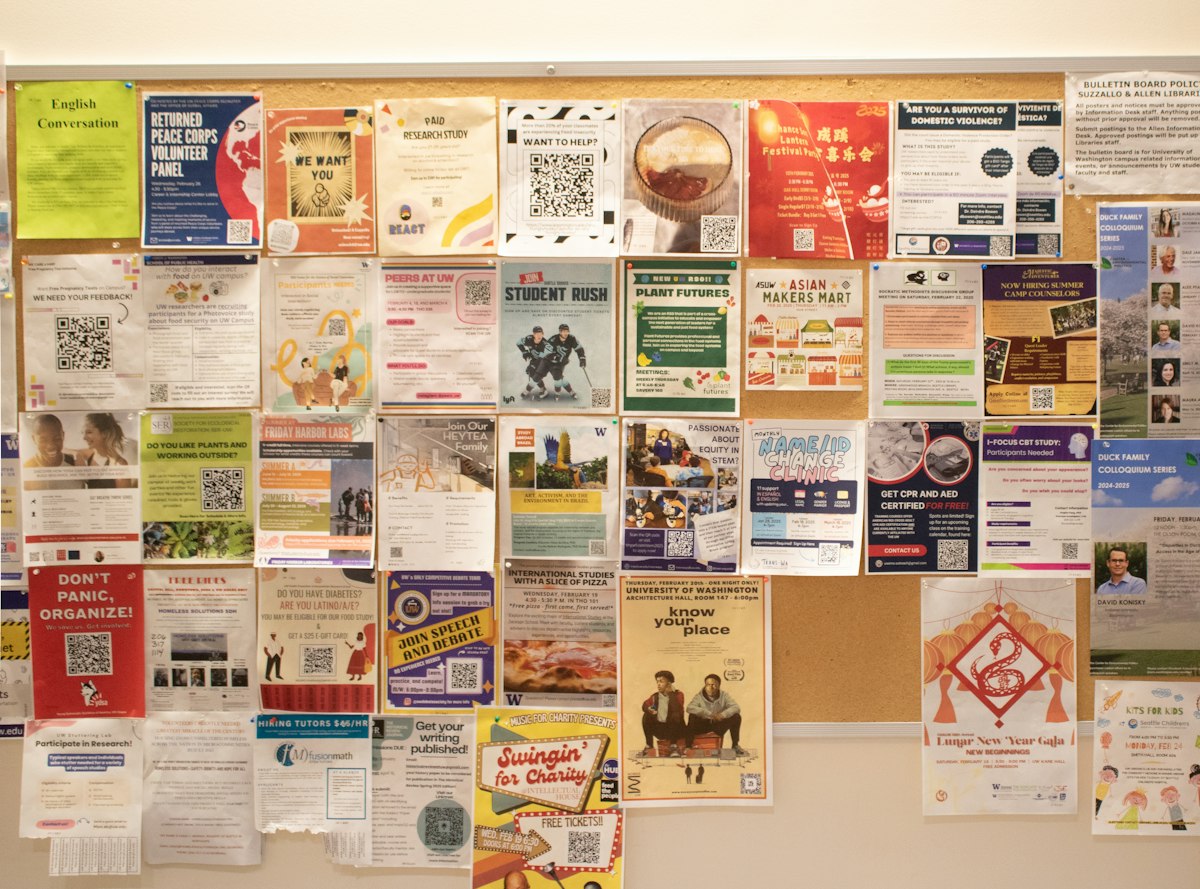
Search Eventbrite and Meetup for clothing swap or clothes swap events, check library and community centre noticeboards, and look at local Facebook and Instagram groups and university sustainability societies. If there isn't one nearby, a swap with ten friends is easy to start, and these flyer and invitation templates do most of the work.
Is 'cloth swap' the same as a clothing swap?
People sometimes say cloth swap or clothes swap when they mean a clothing swap. Online, though, cloth swap is also the name for AI tools that change the outfit in a photo or video. A clothing swap means trading real garments with real people.
Can you swap clothes online?
Yes. Online swaps work through groups and apps where you post photos of pieces, agree a trade with someone, and post the items to each other. Honest photos of any flaws and tracked postage keep online swaps fair.
Sources
- WRAP, Valuing Our Clothes: the true cost of how we design, use and dispose of clothing in the UK (2012).
- Ellen MacArthur Foundation, A New Textiles Economy: Redesigning fashion's future (2017).
- US Environmental Protection Agency, Textiles: Material-Specific Data (figures for 2018).
On Bestis, swapping doesn't have to wait for an event. You can trade with the circles you already trust, any time — list what you've stopped wearing, see what your friends are ready to pass on, and keep your clothes in use for longer.
Start swapping your style
Bestis is the private network where you swap, borrow and sell with the people you trust.