What Not to Swap: The Short List, and What to Do Instead
Every guide to swapping clothes tells you what to bring. Almost none tell you what to leave out, which is a shame, because the quality of a swap is decided almost entirely by what people don't put in it.
One bag of genuinely unwearable things at a swap does more damage than it looks like. It makes the racks feel like a jumble sale, it quietly teaches everyone else that standards are low, and somebody ends up carrying it to a bin. The list of what to keep out is short — and everything on it has a better ending somewhere else.
The short list
- Underwear and swimwear. Hygiene, straightforwardly. Unworn and still tagged is the only exception, and say so clearly.
- Anything you'd have to explain. Smoke, damp, a smell that survived two washes — if it needs a caveat, it isn't ready to pass on.
- Fakes. Passing on a counterfeit is illegal in a lot of places and unfair everywhere, whether or not you knew when you bought it.
- Things mid-repair. A coat missing two buttons isn't a gift, it's a task. Finish it or route it elsewhere.
- Stretched, bobbled or thinned-out knitwear. Wear you've stopped noticing is wear somebody else will notice immediately.
- Anything with a stain you've decided is invisible. It isn't. You've just stopped seeing it.
- Pieces you're only offering because you're cross with them. Sit with those a fortnight; half of them turn out to be fine.
“If you'd be embarrassed to hand it to the person directly, it doesn't belong on the rail.”
— The Bestis Editors
The one nobody warns you about
Sentimental pieces. The jacket from a particular year, the shirt that belonged to somebody. In the momentum of a good clear-out these go into the bag with everything else, because clearing out has its own energy and it doesn't distinguish.
Then it's gone, and unlike everything else in the bag it cannot be replaced by something similar. Pull those out at the start and put them somewhere else in the room before you begin. You can always swap them next season. You cannot get them back.
Where each one should actually go
Nothing on that list has to become waste. Most of it just needs a different route.
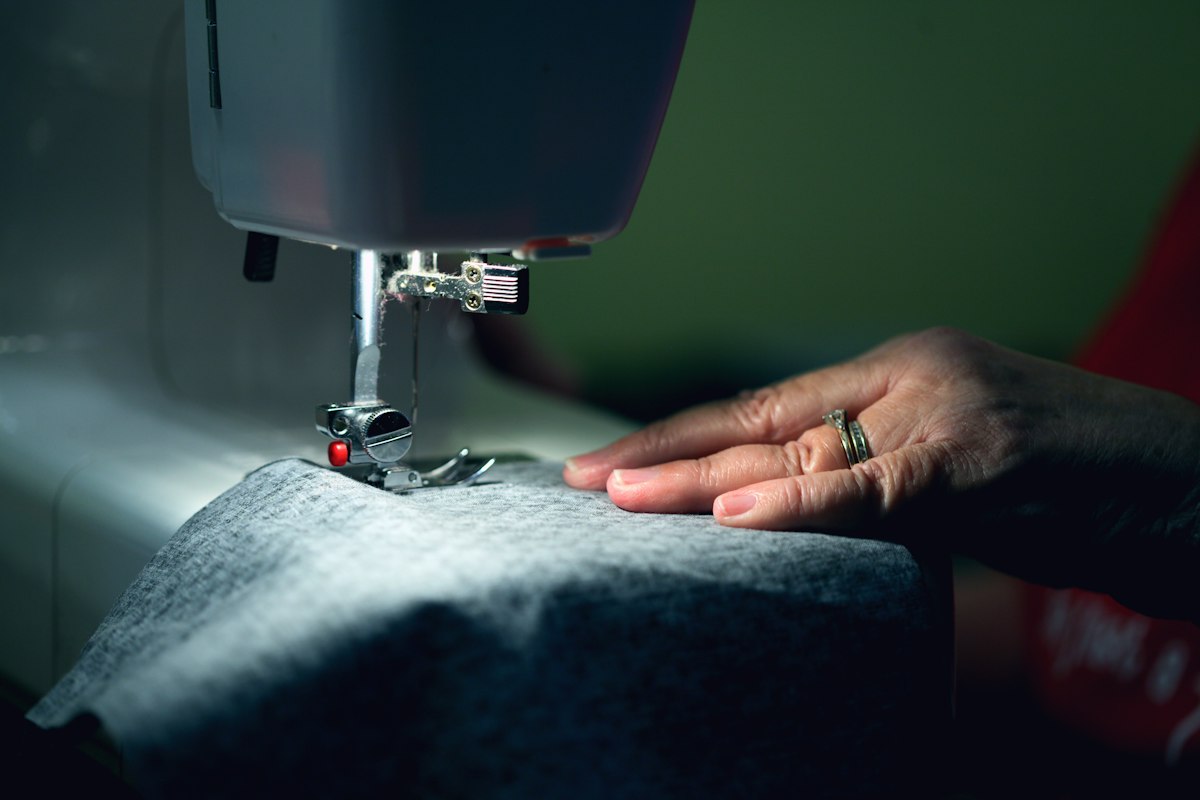
- Fixable damage — mend it. A split seam, a dropped hem, a missing button and a broken zip cover the vast majority of abandoned clothes, and the first three are an evening's work with no skill required. Then it can be swapped.
- Worn out past mending — textile recycling. Most large retailers run take-back bins and many councils collect textiles separately. Torn, stained and single socks all go; they become insulation and industrial cloth rather than landfill.
- Fakes — bin them, genuinely. Don't sell them on, don't donate them. Charities have to sort them out at their own cost.
- Underwear and swimwear — textile recycling, not the donation bag.
- Good but not swap-suitable — donate. Charity shops want clean, current, seasonal and whole. Sending them anything else transfers your disposal costs to them.
- Cotton beyond saving — cut it up. Old t-shirts make better cleaning cloths than anything sold as one.
The test that covers all of it
One question does the work of the entire list: would you hand this to a specific friend, in person, and watch their face?
If yes, it's swap-ready. If you'd want to get a sentence in first — it's fine once you wash it, the mark comes out, it just needs a button — then it isn't ready yet, and that sentence is telling you exactly which of the routes above it belongs in.
Why the standard is the point
It's tempting to read all this as gatekeeping. It's the opposite. A swap only works if everyone trusts that what's on the rail is genuinely worth taking — the moment that trust goes, people stop bringing their good pieces, and then there's nothing to swap for.
Hold the standard and the whole thing compounds. People bring the jacket they nearly kept, because they know they'll find something they'd have kept too.
On Bestis you're swapping with circles where names are attached to what's offered, so the standard largely holds itself. Put in what you'd be pleased to receive, send the rest where it'll do some good, and the clear-out ends with nothing wasted and a wardrobe full of things you'll actually wear.
Start swapping your style
Bestis is the private network where you swap, borrow and sell with the people you trust.