Clothing Swap Rules: 12 Simple Guidelines for a Fair Swap

Clothing swap rules keep a clothing swap fair and the quality high. The core rules are simple: bring only clean, wearable clothes you would give a friend; take roughly as many pieces as you bring; never reserve or hide items; try things on in the space provided; and agree in advance where leftovers will go.
Everything else is detail, but the detail is what stops a swap turning into a scramble. Here are twelve guidelines that work for a party of friends and a community event alike.
1. Bring clean, wearable clothes you'd give a friend.
2. No stains, holes, missing buttons or broken zips.
3. No underwear or swimwear unless it's new with tags.
4. One token for each item you bring; one token buys one item.
5. Don't reserve, hide or stash pieces.
6. Try things on in the changing area.
7. Anything left at the end will be donated.
What to bring
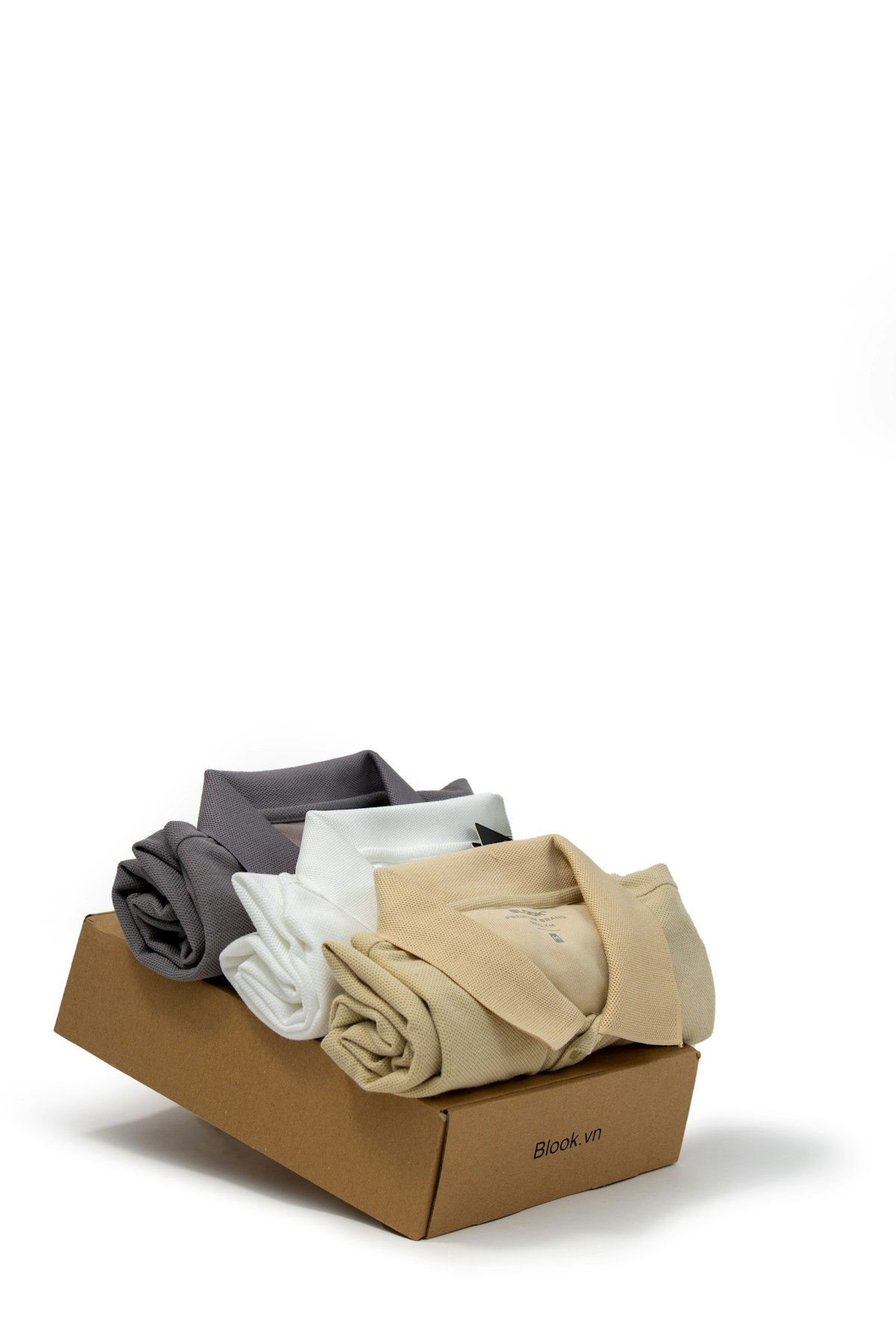
- Bring only what you'd be glad to receive. Freshly washed, no stains, no holes, every button present and every zip working. If you'd want to apologise for it, leave it at home.
- Set a minimum. Five items each is a common starting point; it keeps the rails full enough that everyone has real choice.
- Keep the excluded list short and clear. Underwear and swimwear unless new with tags, anything damaged, counterfeits, and shoes that are worn through. There's more on what not to swap, and where it should go instead.
- Label sizes. Put a piece of tape with the size on anything whose label is missing or faded, so nobody has to guess.
How claiming works
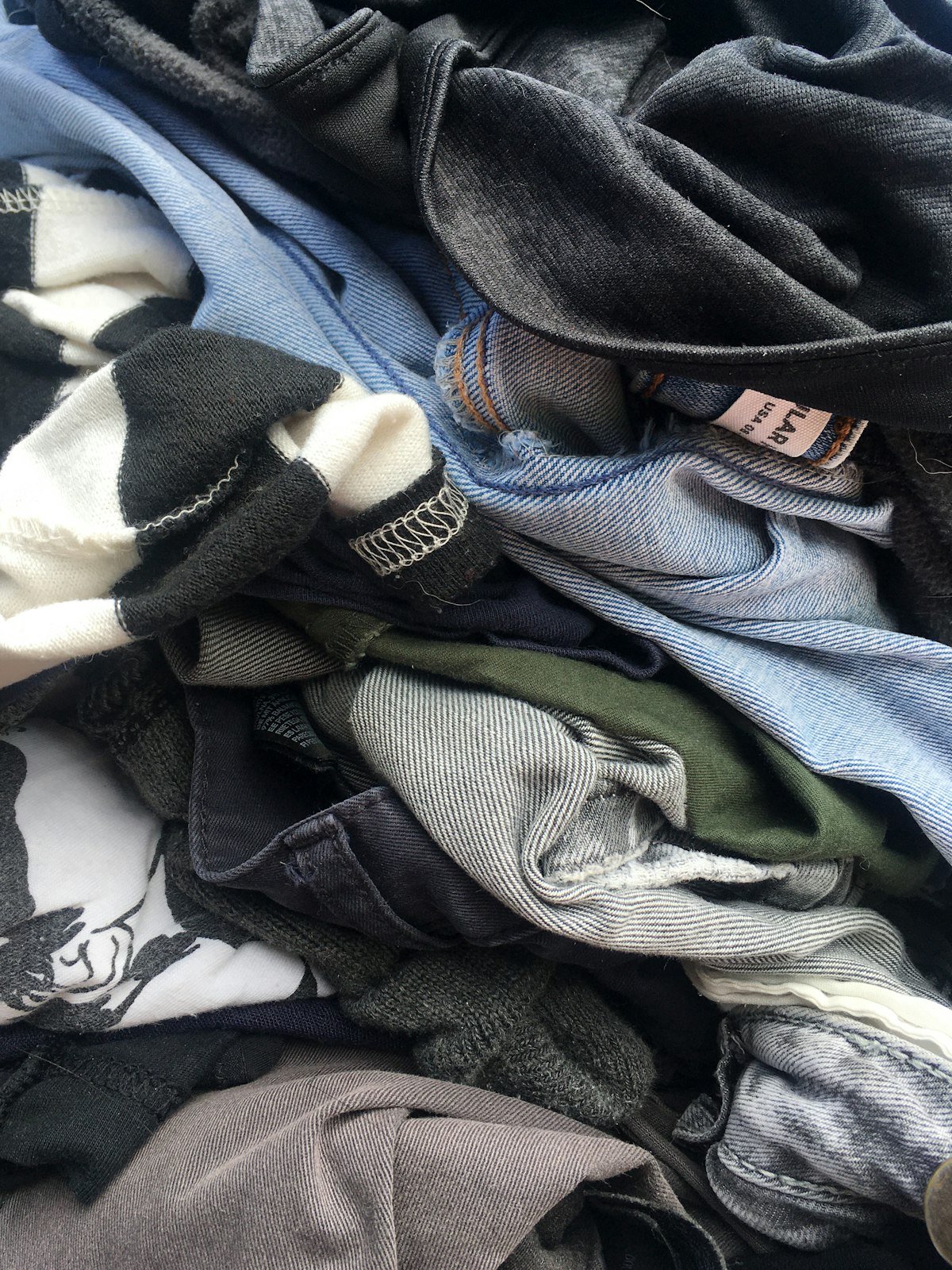
- Use tokens for anything bigger than a small group. Everyone gets one token for each item accepted at drop-off and spends one token per item they take. It keeps the swap perfectly even.
- Use rounds for small groups. Go round the room taking one piece at a time until everyone is done. It's slower, but nobody can clear a rail in the first five minutes.
- Agree what happens to high-value pieces. A designer coat and a basic T-shirt shouldn't cost the same token. Some swaps put luxury pieces on a separate table at two tokens each; others run a draw for them.
- Settle ties simply. If two people want the same piece, a coin toss or the host's decision ends it — and it's decided before the swap starts, not in the moment.
Etiquette on the day
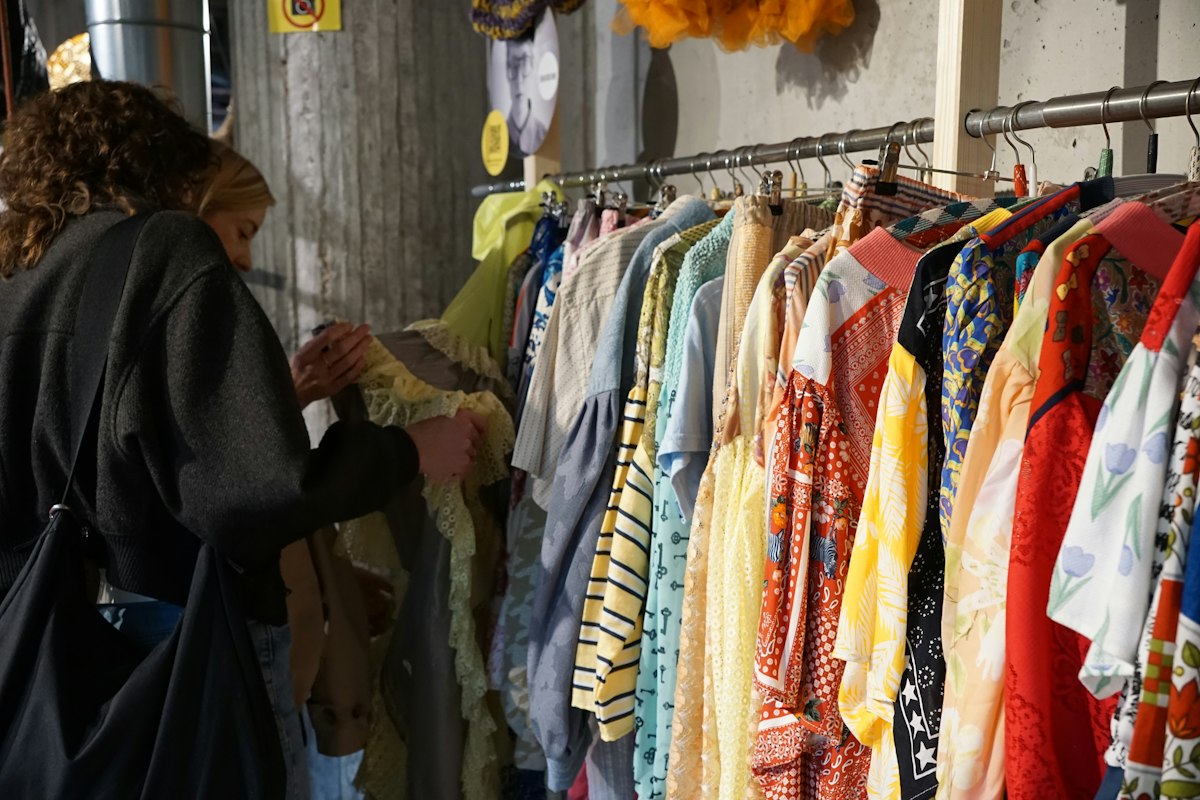
- No reserving or hiding. Pieces stay on the rails until they're claimed. Tucking something behind a coat for later is the fastest way to sour a swap.
- Try on before you take. Use the changing area or a mirror, and put back anything that doesn't fit — it's someone else's perfect size.
- Take only what you'll actually wear. A swap is not a free shop. Leave the maybes for the people who will love them.
- Agree where leftovers go before you start. Name the charity shop or textile recycling point in the invitation — these invitation templates have a line for it — so nobody argues about it at the end.
“The best swap rules are the ones everyone agreed to before the first piece was claimed.”
— The Bestis Editors
Rules for online clothing swaps
Swapping online needs a few extra rules, because nobody can check the clothes in person — on top of the usual precautions for swapping with strangers:
- Photograph every flaw, in daylight, and describe it in words as well.
- Give measurements, not just the size on the label — chest, waist, length and inside leg.
- Agree a posting deadline, and send within it.
- Each person pays their own postage, with tracking.
- If something arrives not as described, the sender takes it back. Agree that before either parcel leaves.
Frequently asked questions
How many items should you bring to a clothing swap?
Five to ten is typical, and many swaps set a minimum of around five items per person. Quality matters more than quantity: three great pieces help a swap more than ten tired ones.
Can you take more clothes than you bring to a swap?
At token-based swaps, no — you take one item for each one you brought. At smaller swaps, people often take extra pieces near the end, once everyone has had a fair turn, rather than leaving them to be donated.
What can't you bring to a clothing swap?
Most swaps exclude underwear and swimwear unless new with tags, anything stained or damaged, counterfeit designer goods and badly worn shoes. Organisers can refuse any piece at drop-off.
Do clothing swaps accept shoes and accessories?
Usually, yes. Shoes, bags, belts, scarves and jewellery are welcome at most swaps and count as one item each. Check with the organiser before bringing anything large or very valuable.
What if two people want the same item at a swap?
Agree the answer before the swap starts. A coin toss, the host's decision, or whoever brought more items choosing first all work, as long as everyone knows the rule in advance.
How do you keep a clothing swap fair?
Check every piece at drop-off, give one token per accepted item, keep pieces on the rails until they're claimed, and settle ties with a rule agreed in advance.
On Bestis, the rules of a fair swap are built into how trades work between people who know each other — clear photos, honest condition and agreed terms before anything changes hands. Set the rules once for your circle, and every swap after that is easy.
Start swapping your style
Bestis is the private network where you swap, borrow and sell with the people you trust.