Nothing to Wear? Why a Full Wardrobe Can Feel Empty
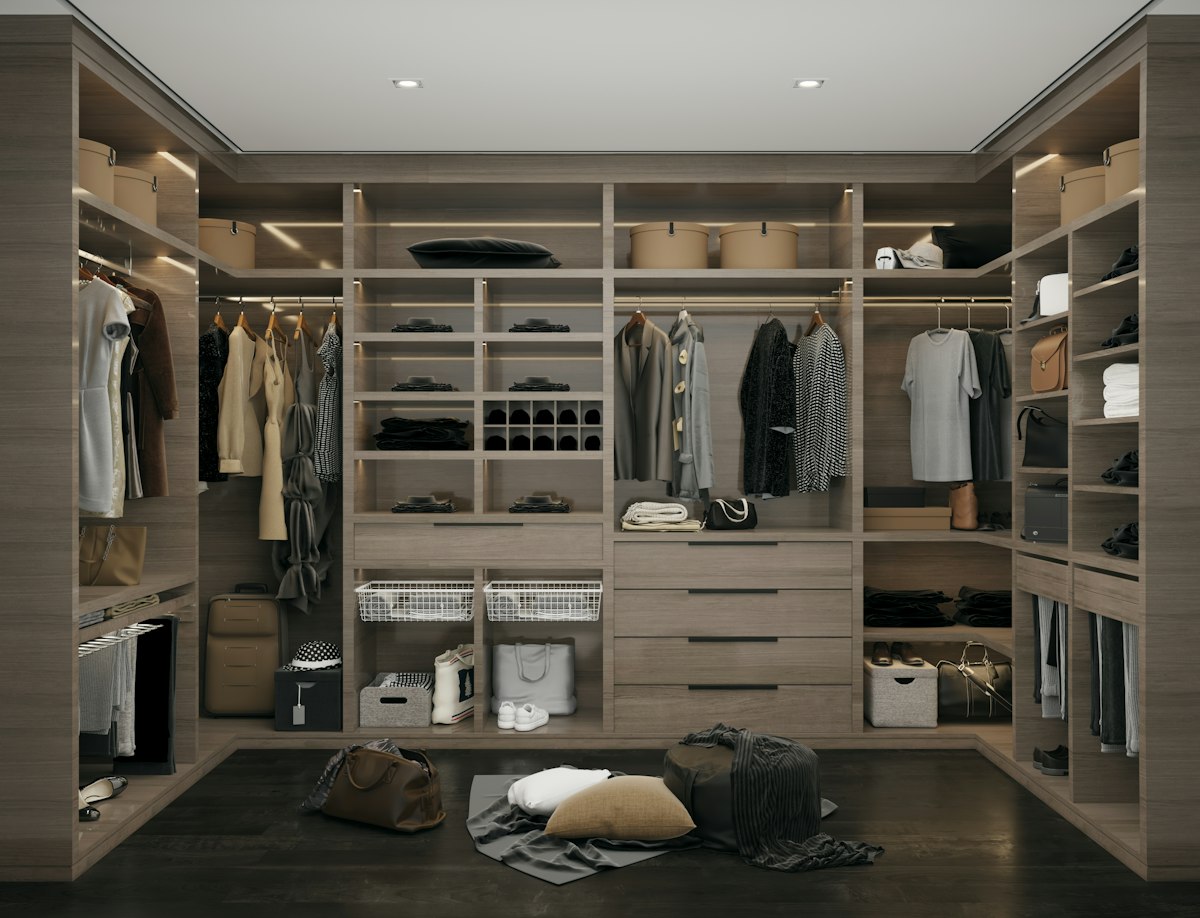
The wardrobe door is open. The rail is full. The drawers barely shut. And the verdict, delivered at speed on a weekday morning, is that there is nothing to wear.
It's one of the most universal experiences in getting dressed, and the strange thing about it is that it doesn't improve as wardrobes fill up. If anything, it gets worse. The feeling is real. The explanation is almost never that you need more clothes.
Orphans: pieces that go with nothing
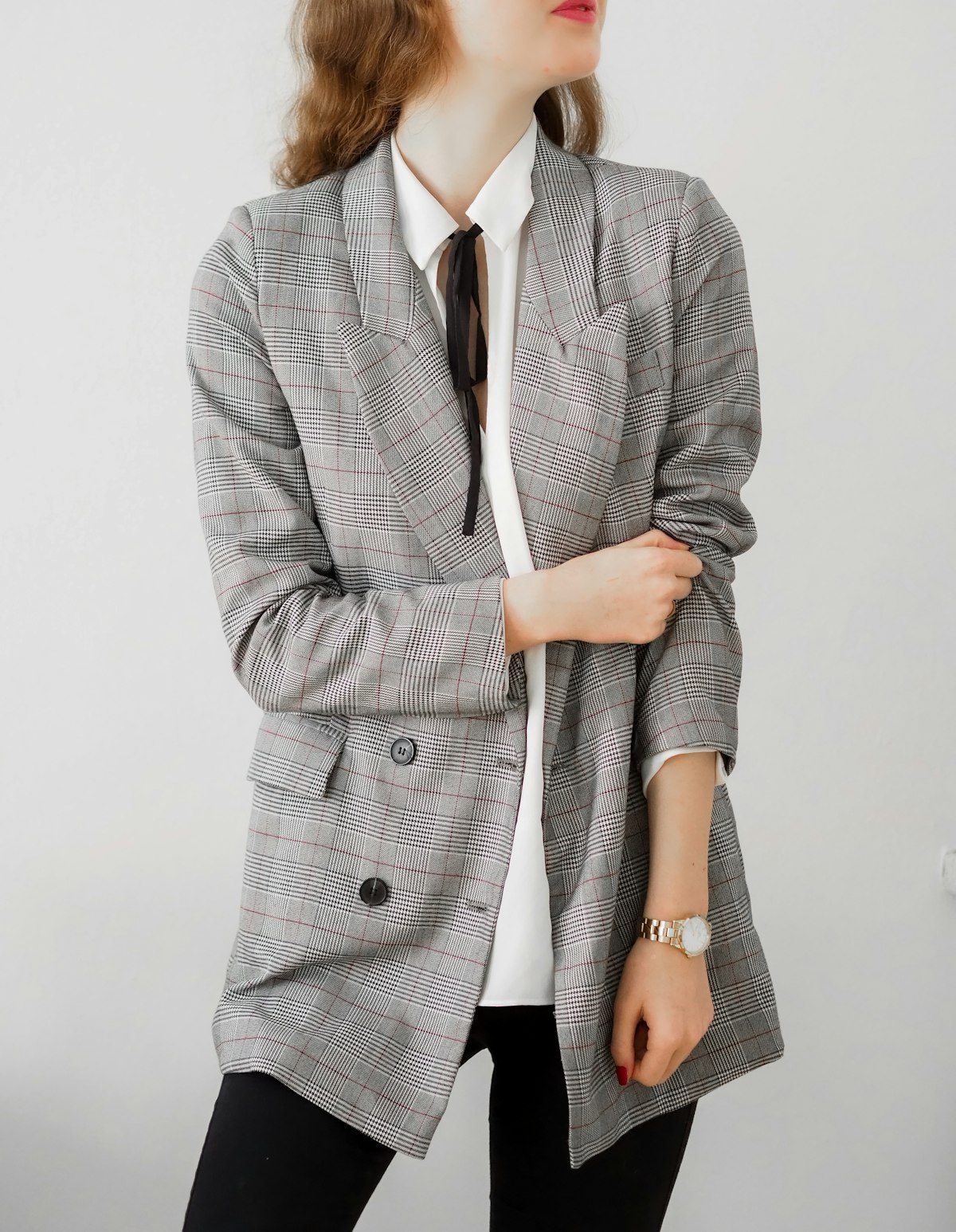
The first culprit is the orphan — a piece that only works with something you don't own. The top that needs high-waisted trousers. The skirt that needs a particular shoe. The jacket that looked perfect over an outfit in the shop and goes with nothing at home.
A wardrobe can hold a great many items and very few complete outfits. Every orphan adds to the visual fullness of the rail while adding nothing to what you can actually put on, which is precisely the gap that feels like nothing to wear.
Clothes for an imagined life
The second is the wardrobe of a slightly different person — someone with more dinner parties, more weekends in the country, more occasions that require a structured dress and an ironed shirt. These pieces are bought with real hope and they're all perfectly good. They simply don't belong to the Tuesday you're actually having, so every morning they're visible and none of them are options.
The guilt rail
Then there's the section of the wardrobe nobody talks about: the things you don't wear but can't let go of. Too expensive to give up on, a gift from someone you love, nearly right, bought in a size you're planning to be.
They take up space and they take up attention. Each time the door opens, they're a small reproach — and that's part of why opening the wardrobe can feel so oddly bad. You're not looking at options. You're looking at a list of decisions you haven't made.
“A wardrobe can be full of clothes and empty of outfits.”
— The Bestis Editors
More choice, harder choosing
Psychologists have long argued that more options can make a decision harder rather than easier, and leave people less satisfied with what they pick. The research is genuinely mixed on how strong that effect is. But anyone who has stood in front of a packed rail at eight in the morning knows the feeling it describes.
Why buying more makes it worse
The obvious fix is something new, and it's exactly the wrong one. New pieces are usually bought because they're exciting, not because they complete anything — so they tend to become the next orphan. The rail gets fuller, the choice gets harder, and the guilt rail grows by one.
What actually helps
- Find out how many complete outfits you own. Pull together everything that works, head to toe, and photograph each one. Most people are surprised by both how few there are and how good they are.
- Identify the orphans. For each, decide whether one missing piece would rescue it — or whether it should move on.
- Move the guilt rail out of sight for a month. Anything you don't miss in that time has made its own decision.
- Fill the gap, not the rail. If one plain bottom or one layer would complete five outfits, that's the only thing worth looking for.
- Decide tomorrow's outfit tonight. Choosing calmly once beats choosing in a panic every morning.
Swapping fixes both halves
Notice that the problem has two halves: things that need to leave and a small number of things that need to arrive. Shopping only ever addresses the second, and badly. Swapping deals with both at once.
Your orphans and guilt-rail pieces are somebody else's missing link — the top that finally goes with their trousers, the dress for the occasions they actually have. On Bestis, move them on to the people they complete, bring in the one piece your outfits are waiting for, and open the wardrobe to something you can actually wear.
Start swapping your style
Bestis is the private network where you swap, borrow and sell with the people you trust.