What a Tailor Can Fix: Making Almost-Right Secondhand Clothes Fit
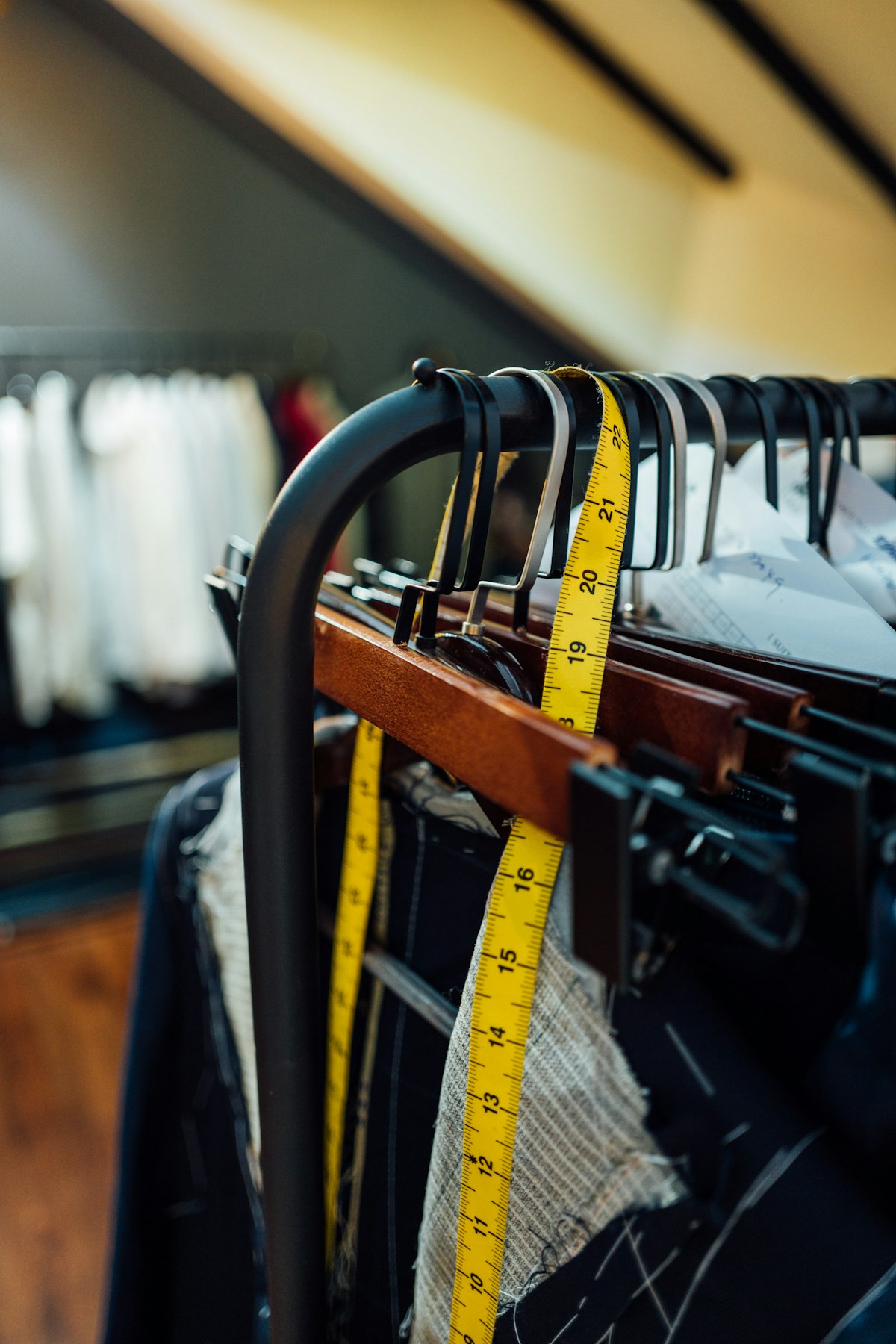
The most common result of trying on something secondhand isn't a perfect fit or a clear no. It's almost. The waist gapes slightly, the trousers pool at the ankle, the sleeves cover half your hand. And almost is where most people either give up or, worse, keep the thing and never wear it, waiting for a body that fits the garment instead of the other way round.
There's a third option, and it's older than the high street: have it altered. Plenty of what's wrong with an almost-right piece is quick for a tailor to fix. Some of it isn't fixable at all. Knowing which is which before you commit is the entire skill.
The rule that covers most of it
Tailors can make things smaller and shorter easily, bigger and longer only sometimes, and a few parts of a garment can't really be moved at all. Keep that sentence in your head while you try something on and you'll make the right call nine times in ten.
The easy wins
These are the bread and butter of any alterations shop — fast, routine, and usually far cheaper than people expect:
- Hemming trousers and skirts with a plain hem. The single most common alteration there is, and the one that makes the most difference for the least effort.
- Taking in a waist. A gaping back waistband is almost always fixable through the centre back seam.
- Taking in side seams on shirts, tops and simple dresses, for a closer fit through the body.
- Shortening sleeves on shirts and knitwear — straightforward when there's no cuff detail to rebuild.
- Tapering trouser legs, so a wide leg becomes a straight one or a straight leg narrows.
- Replacing a zip. A broken zip is the most common reason a good garment gets abandoned, and it's a routine job.
Possible, but ask first
These can be done well, but they take more time or skill and the result depends on how the garment was made. Get a quote and a straight opinion before you hand anything over:
- Jacket sleeves with working buttonholes. They can't be shortened from the cuff without losing the buttonholes, so the work happens at the shoulder — a much bigger job.
- Letting anything out. Only possible when there's spare fabric folded inside the seam, and it can leave a visible line where the old seam sat.
- Shortening a lined coat. The shell and the lining both need doing, and they need to hang properly together afterwards.
- Hems with detail — lace, pleats, a scalloped edge, a border print. Cutting them off loses the detail; moving it up is careful, slow work.
“Buy for the shoulders. Almost everything below them can be negotiated with.”
— The Bestis Editors
What nobody can really fix
Some fit problems are structural, and no amount of skill fixes them economically. If a piece has one of these, it isn't almost-right — it's somebody else's:
- Shoulders. The shoulder seam should sit at the edge of your shoulder bone. Too wide or too narrow, and re-cutting it means rebuilding the jacket.
- A body that's too short. You can't add length that isn't there, and a jacket or top that stops too high will always look it.
- Anything that needs to be much bigger. Letting out gains a centimetre or two at best.
- A rise that's wrong. Trousers that are too short from waistband to crotch can't be lengthened there.
- Fabric that fights the fit. A stiff fabric cut loose won't drape, however carefully it's taken in.
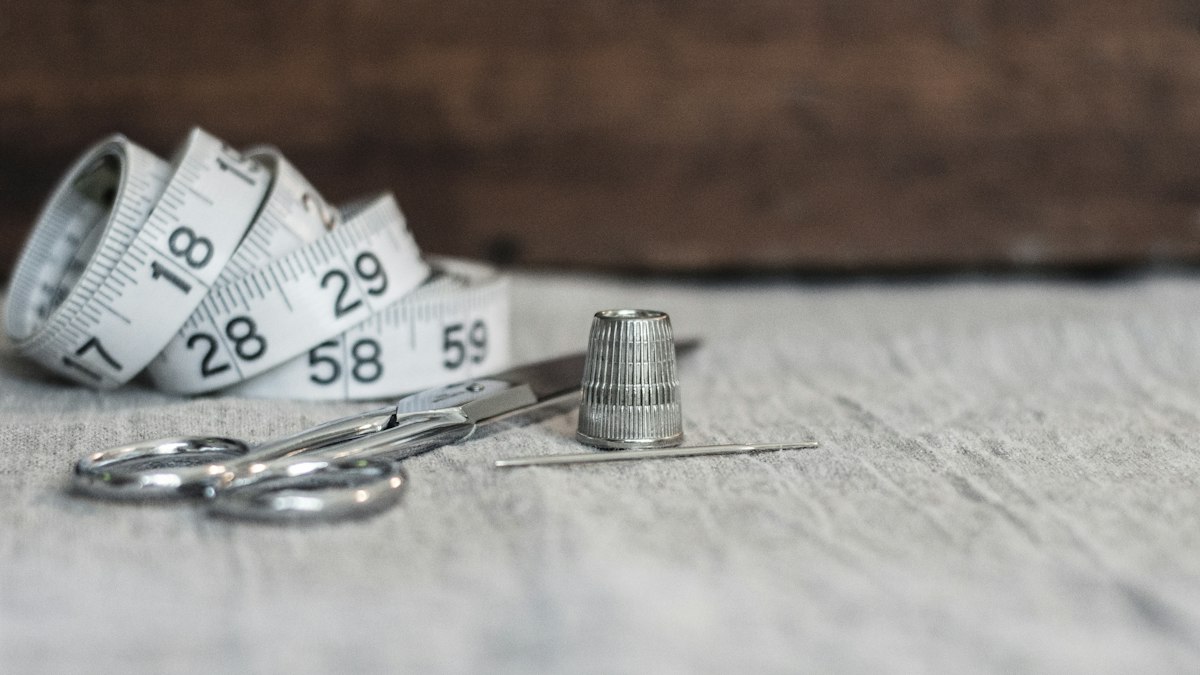
Read the seam before you commit
The quickest way to tell whether something can be let out is to turn it inside out and look at the seams. A seam with a centimetre or more of fabric folded inside has room to give. A seam trimmed tight and finished with a narrow overlocked edge has none — which is typical of cheaply made clothes, and one of the quiet ways older, better-made pieces are easier to live with.
While you're in there, look at the hem. A deep hem on trousers or a skirt means it can come down as well as up, which widens your options considerably.
Get the most out of the visit
- Try it on with the shoes you'll wear it with. Trouser length depends entirely on the heel.
- Mark what you want with safety pins, or ask the tailor to pin it on you — never guess a hem from a measurement.
- Ask for a quote before any work starts, and ask whether they'd bother. A good tailor will tell you if it's not worth it.
- Do one piece first. Find someone you trust before you hand over a bag of things.
Where this changes the swap maths
Alterations and swapping are made for each other. A piece that costs you nothing in a swap and needs a simple hem is, for the price of that hem, a garment that fits you better than most things bought new — because it's now been adjusted to you rather than to a size chart.
And the rule works the other way, too. If something you own has a problem from the can't-fix list, stop waiting for it to work. It fits somebody; it just doesn't fit you.
On Bestis you can ask about the shoulders, the rise and the seam allowance before anything changes hands, so you know whether you're looking at an easy hem or a shoulder problem. Swap the almost-rights you can't fix for the ones you can, and let a tailor do the rest.
Start swapping your style
Bestis is the private network where you swap, borrow and sell with the people you trust.