How to Buy a Secondhand Winter Coat That Actually Keeps You Warm
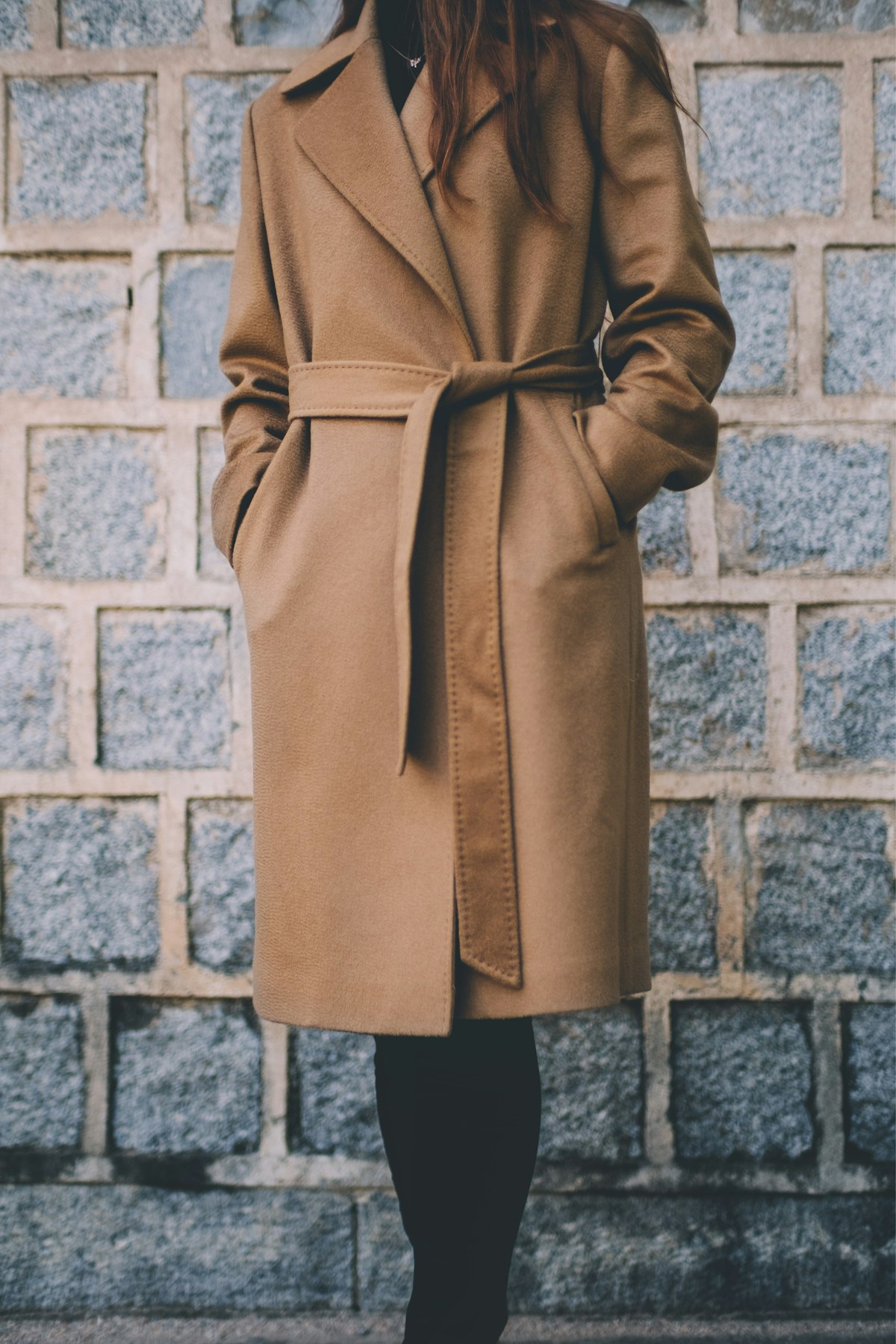
A winter coat is the most expensive thing most people buy in a year, the item they wear more than anything else they own, and the one they most often get wrong. It's also the single best thing to buy secondhand — because a good coat outlasts several owners, and because the failures you need to check for are all visible in about two minutes.
The catch is that warmth doesn't look like anything. A thick coat can be cold and a thin one can be excellent, and no photograph will tell you which is which. Here's what to look at instead.
Warmth is trapped air, not thickness
Everything that keeps you warm works the same way: it holds still air near your body and stops the wind taking it away. That's it. Which means the two questions worth asking about any coat are how well it traps air, and how well it stops wind — and thickness barely enters into either.
A dense wool coat with a tight weave beats a bulky one with a loose knit. A thin windproof shell over a jumper beats a fat fleece in a gale. Once you're thinking about air rather than bulk, a lot of secondhand coats that look unpromising turn out to be very good.
Wool: check the content, then the surface
Find the composition label first. Anything from about 70% wool upward is a proper wool coat; below roughly half, you're mostly wearing polyester with wool mentioned on the label for the atmosphere. Cashmere blends feel wonderful and pill faster — a fair trade if you know you're making it.
- Pilling across the seat, under the arms and where a bag strap sits. Light pilling shaves off in ten minutes; a surface that's gone fuzzy all over won't come back.
- Thin patches at the elbows and cuff edges — hold the fabric up to a window and look for light coming through.
- Moth damage: small round holes, usually near the collar, cuffs or a seam. One hole is a repair, a scatter of them means eggs may still be in it.
- The lining, which fails long before the wool does. A split lining is a cheap fix at any alterations shop and a good reason to negotiate.
“A coat's outside shows its age. Its lining shows its life.”
— The Bestis Editors
Down: squeeze it, then look for leaks
Down is the warmest thing per gram anyone has found, and a good down coat is worth having for a decade. It has two failure modes and both are easy to spot.
First, compression. Grab a handful and let go — it should spring back and look full again. Down that stays flat has been crushed or washed badly and has lost the loft that was doing all the work. Second, migration: hold it to the light and check whether the baffles are evenly filled or whether the filling has slumped into corners, leaving cold channels. A few feathers poking through is normal. Bald patches in the baffles are not.
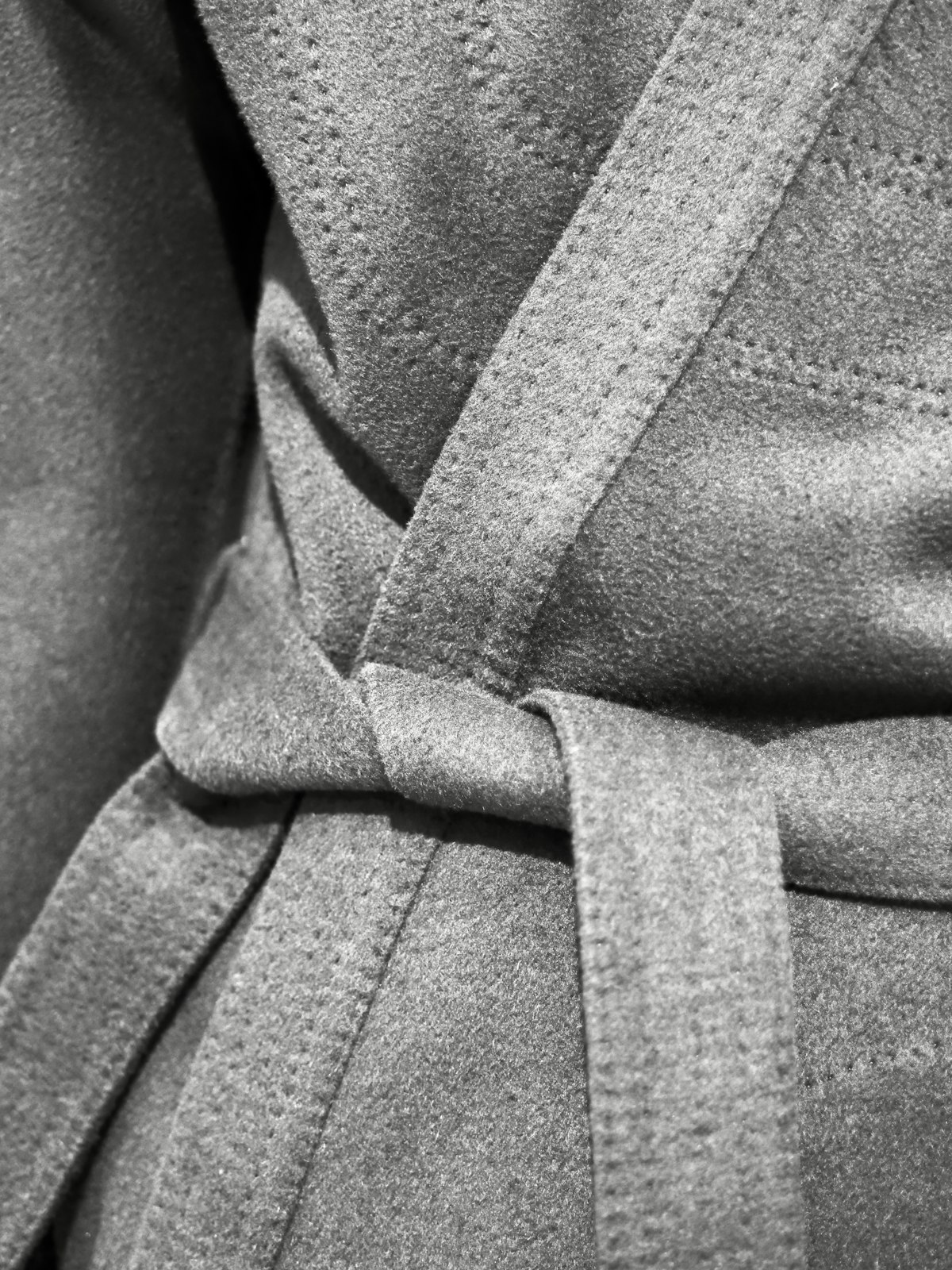
The details that decide whether you wear it
Warmth gets a coat onto the shortlist. These decide whether you actually reach for it in February:
- Cuffs. If wind gets up your sleeves, nothing else matters. Look for a close cuff, a storm tab or a knitted inner cuff.
- Collar. Can it be turned up and fastened? A collar that stands is the difference between a coat and a smart jacket that happens to be warm.
- Length. Below the hip is a different garment to above it. Mid-thigh is the most versatile in a cold, wet climate.
- Pockets. Check the corners for holes and check they're deep enough to put cold hands in properly.
- Zips and buttons. Run the zip fully twice. Missing buttons are nothing; a broken main zip on a lined coat is a real repair.
- Weight. Pick it up. A coat that's exhausting to wear ends up on the back of a chair in January.
Fit over layers, or it doesn't fit
This is where most coat decisions go wrong. A coat that fits beautifully over a t-shirt in a warm room will be unwearable over a jumper in the weather you bought it for — and a compressed jumper isn't insulating anything, so the coat gets colder exactly as you need it more.
So try it on over the thickest thing you'd realistically wear under it. Then check three things: can you cross your arms in front of you, can you reach up without the hem riding to your ribs, and can you still do it up comfortably. If any of those fail, it's the wrong coat however good it looks standing still.
Why coats are the best thing to swap
Coats are expensive, they last far longer than most people's taste in them, and almost every wardrobe has one that's perfectly good and simply not worn — the wrong colour, bought for a different life, or beaten by a favourite that gets picked every morning instead.
That's a lot of excellent outerwear sitting still, and none of it is improving in a cupboard. Swapping a coat you've stopped reaching for is the highest-value trade there is: one item, months of wear, and a genuinely cold morning made easier.
On Bestis you can ask the questions this article is built from — what's the wool content, does the lining need work, how does it sit over a jumper — and get honest answers from someone whose name you know. Trade the coat that's waiting out the winter for the one you'll live in.
Start swapping your style
Bestis is the private network where you swap, borrow and sell with the people you trust.