How to Layer Clothes: The Rules That Make It Look Deliberate
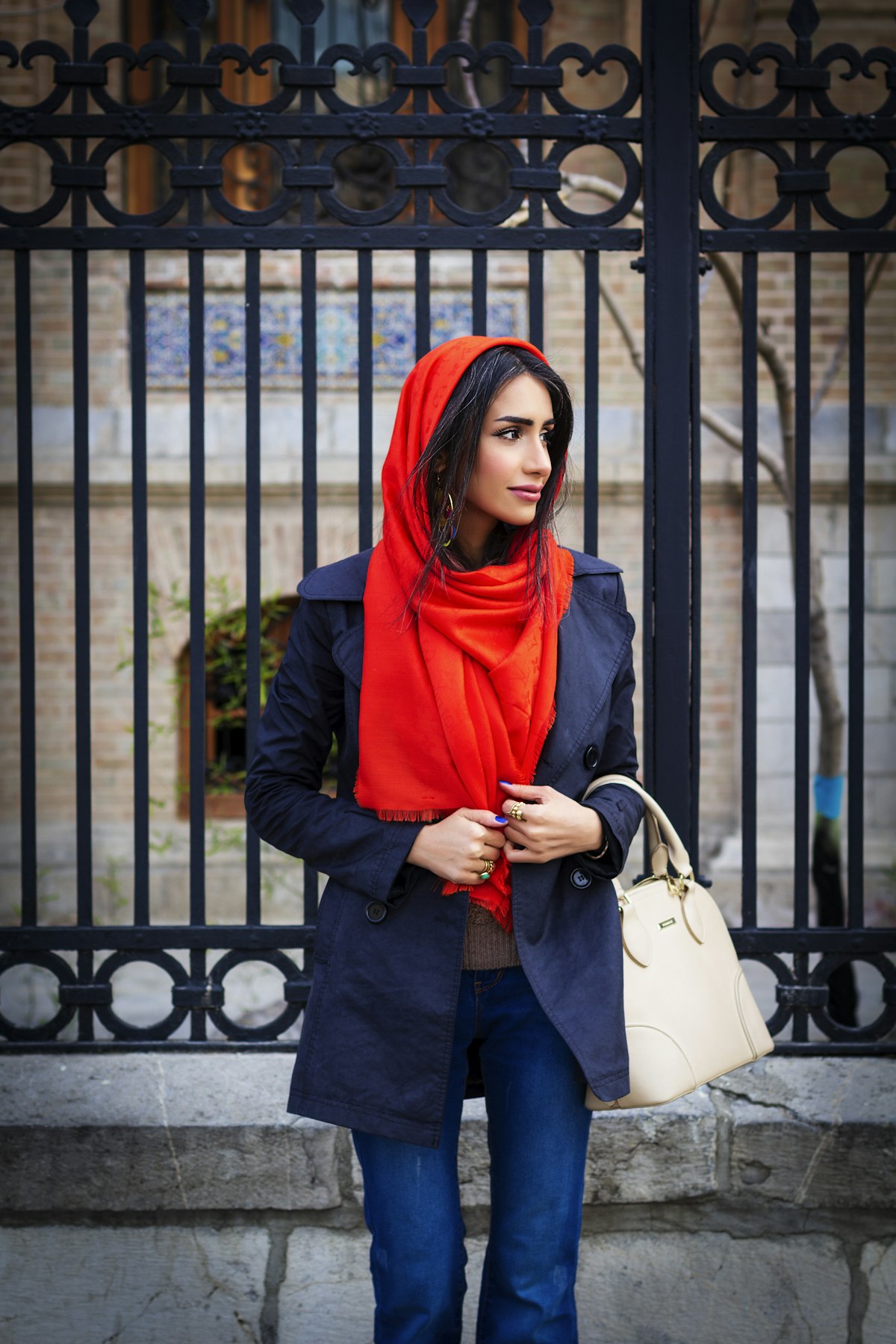
Layering is the cheapest upgrade available to a wardrobe. It makes what you already own warmer, stretches three pieces into a dozen outfits, and is the whole reason some people look considered in October while everybody else looks like they're wearing a duvet with sleeves.
It also has actual rules. Layering that looks effortless almost never is — it's a structure, and once you can see the structure it stops being guesswork.
Why thin layers beat thick ones
Warmth comes from trapped air, and every gap between layers is more trapped air. Three thin things genuinely are warmer than one thick thing of the same total weight — and unlike the thick thing, you can take one off when you walk into a heated room.
That's the practical case. The aesthetic case is that layers create lines, and lines are what make an outfit look composed rather than simply worn.
The three-layer system
Borrowed from people who dress for weather rather than photographs, and it works just as well in a city:
- Base — sits against you and moves sweat away. Thin, close, unfussy. Cotton is comfortable but stays damp; merino is the upgrade worth having.
- Mid — does the insulating. A jumper, fleece, cardigan or overshirt. This is the layer to add or drop as the day changes, and the one that should be easy to carry.
- Outer — stops wind and rain. Can be thin. A windproof shell over a good mid-layer beats a heavy coat that lets weather through the weave.
Most layering that fails has two mid-layers and no outer — warm indoors, useless the moment there's wind.
“Layers are warm because of the gaps between them, not the fabric in them.”
— The Bestis Editors
Proportion: thin to thick, short to long
The rule that does most of the visual work: each layer outward should be looser and longer than the one under it. A close base, a slightly roomier jumper, a coat with space for both. Reverse it anywhere and you get bunching, which is the single biggest reason layering reads as accidental.
Lengths want to be deliberately different — a shirt tail showing below a jumper looks intentional, a shirt tail level with the jumper hem looks like a mistake. Give yourself two or three inches of contrast and let it show.
And balance volume: if the top half is generous, keep the bottom half narrow, and the other way round. Volume everywhere at once is where most winter outfits lose their shape.
Colour, texture and the bits at the edges
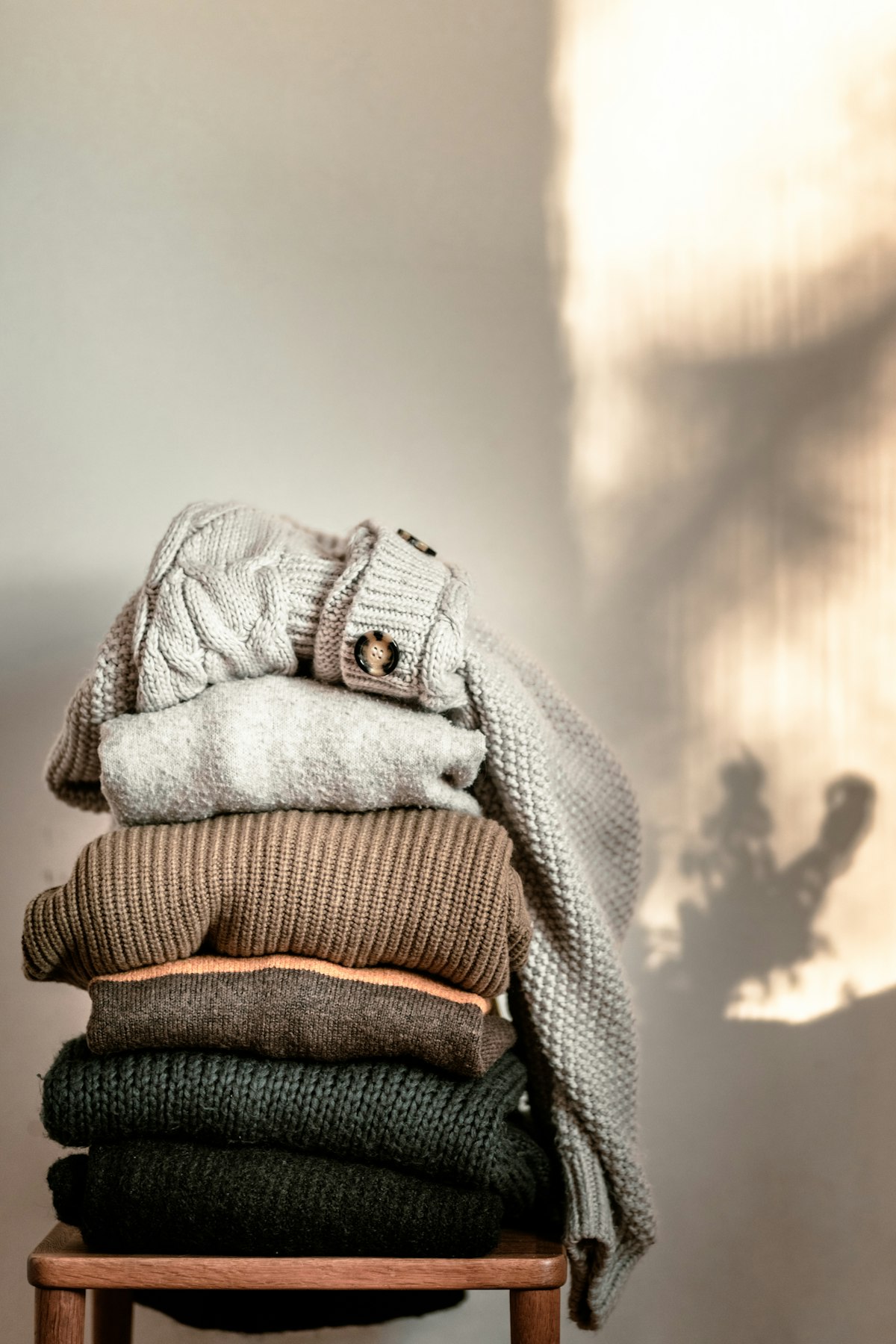
Layering multiplies the number of colours visible at once, so keep the palette tight — two neutrals plus one colour is plenty, and it means every layer works with every other. Let texture carry the interest instead: chunky knit against smooth cotton, wool against denim, matte against a bit of shine. Three identical-feeling layers look flat even in perfect colours.
Then attend to the edges, because they're what people actually see. A rolled sleeve over a cuff, a collar sitting outside a crew neck, a scarf with enough bulk to look chosen. Edges are where layering either looks finished or looks like everything was simply put on in order.
What to borrow rather than buy
Layering asks for more pieces, which is how people end up buying a lot of transitional clothing they wear for six weeks a year. Most of it doesn't need owning.
The overshirt, the lightweight shell, the one good scarf, the cardigan in a colour you'd never commit to — these are the classic borrow items. They're seasonal, they're often the piece someone else bought and rarely wears, and trying one before deciding it's yours is how you find out whether you're actually an overshirt person.
Start with what's already hanging up
Before anything comes in, go through your own wardrobe looking specifically for mid-layers, because almost everyone owns more than they think — the shirt worn only on its own, the cardigan bought for one occasion, the jumper that's fine but dull alone and excellent under a coat.
Then fill the gaps by swapping. On Bestis that's the overshirt from someone in your circle for the jumper you've stopped reaching for — layers moving between people who'll wear them, rather than six weeks of use and eleven months in a drawer.
Start swapping your style
Bestis is the private network where you swap, borrow and sell with the people you trust.