How to Remove Pilling From Clothes (and Stop It Coming Back)
To remove pilling, lay the garment flat and take the bobbles off with a fabric shaver, a sweater comb or a disposable razor, using light strokes. On delicate knits, snip each pill off with small scissors. Pilling comes from friction, so to stop it coming back, wash knits inside out on a gentle, cool cycle, skip fabric softener and dry them flat.
What causes pilling on clothes?
Pills, or bobbles, are small balls of tangled fibre on the surface of fabric. Woolmark explains that pilling is caused by rubbing during wear, which is why it shows up first around the elbows, under the arms, on the sleeves and across the belly and sides of a jumper. Anywhere a bag strap or a desk edge rubs the same patch every day will pill too.
As fabric rubs, loose fibre ends work their way to the surface and twist together. Short fibres pill more than long ones because there are more loose ends, and loosely knitted yarns pill more than tightly twisted ones.
Why do some fabrics pill more than others?
Most fibres can pill, including wool, cotton, polyester, nylon and acrylic. The difference is whether the pills stay. Wool pilling tends to ease over time, because wool fibres are weak enough to break away from the fabric and take the pills with them. Synthetic fibres such as polyester and acrylic are stronger, so they hold the pills on. That's why a cheap acrylic jumper can look worn after a few months. Here's how to read a fabric label before you buy.
How to remove pilling from clothes
Start with the gentlest method that works, and test it on an inside seam first.
- By hand. If there are only a few pills, pinch them off. Woolmark suggests doing this routinely after drying or just before ironing.
- Fabric shaver. The quickest way to depill a whole jumper. These small battery-powered de-pillers are cheap, and Woolmark calls them very effective. Lay the garment flat, keep it taut, and move in small circles without pressing.
- Sweater comb or stone. Good on wool and thicker knits. Woolmark says to use a comb very gently.
- Disposable razor. Stretch the fabric over a curved surface, such as your knee or a rolled towel, and shave lightly in one direction. Avoid fine knits, where the blade can catch a stitch.
- Small scissors. Slow, but the safest choice for cashmere, fine knits and loose stitches. Snip each pill at its base without pulling it.
- Finish with a lint roller or tape to lift the loose fluff.
How to depill a sweater without a razor
Use your fingers for a few pills, a fabric shaver for a whole jumper, a sweater comb on wool, or small scissors on delicate knits. Some people use a sweater stone or fine sandpaper. Both are abrasive, so go gently and test them somewhere hidden first.
How to stop clothes from pilling
- Wash less. Woolmark notes that wool naturally resists stains and odours, so it needs less washing. Airing a jumper between wears is often enough.
- Turn knits inside out before washing, or put them in a laundry bag.
- Use the wool or delicates cycle with cool water and a wool detergent, and skip the fabric softener, which Woolmark advises against.
- Don't overload the machine, and wash knits with similar fabrics rather than with jeans or towels.
- Dry knitwear flat and out of direct sun, not in the tumble dryer.
- Reduce friction while you're wearing it. Woolmark recommends keeping abrasion down, so switch the shoulder you carry your bag on.
- Give knits a rest between wears.
More on washing, storing and mending is in our guide to making clothes last.
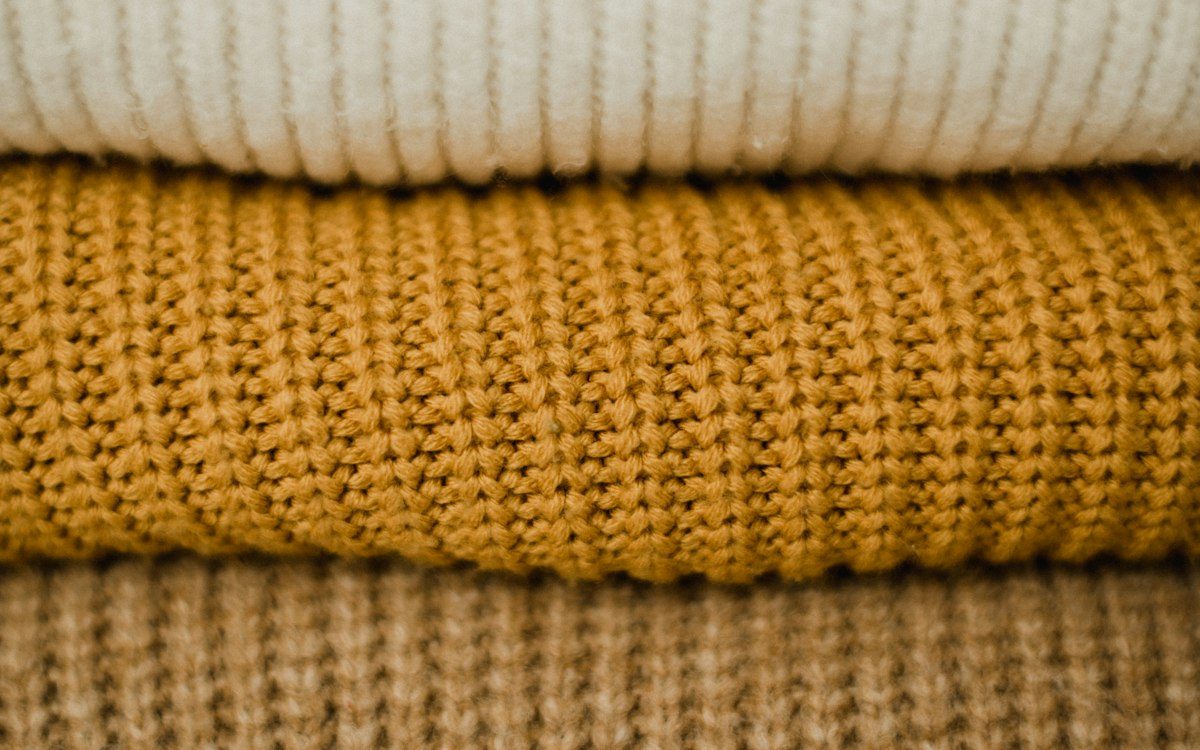
How to buy knitwear that won't pill
- Check the label. Strong synthetics such as acrylic and polyester hold on to pills, while pilling on wool tends to ease.
- Look for a firm, dense knit. Woolmark's design advice against pilling is longer fibres, tightly twisted yarns and fabrics with a higher cover factor, which means a dense knit.
- Rub the fabric against itself for a few seconds. If it fuzzes up straight away, it will pill.
- Consider second-hand. A knit that has been worn for a few winters and still looks smooth has already shown you how it ages. Here's how to choose a second-hand winter coat with the same eye.
Is pilling a sign of poor quality?
Not necessarily. Woolmark says there's no way to guarantee pilling won't happen, and even good knits pill where they rub. What matters is what happens next. On wool, pilling tends to fade as the loose fibres break away. On cheap synthetics, it keeps building. A jumper that pills a little and shaves back to smooth is worth keeping, or swapping.
“A shaved, well-kept jumper is a swappable jumper.”
— The Bestis Editors
Frequently asked questions
How do you remove pilling from clothes?
Lay the garment flat and remove the pills with a fabric shaver, a sweater comb or a disposable razor, using light strokes. Snip pills off delicate knits with small scissors, then lift the fluff with a lint roller.
Can you use a razor to remove pilling?
Yes, on sturdy knits and fabrics. Stretch the fabric over a curved surface and shave lightly in one direction. Don't use a razor on fine or loose knits, where it can catch and cut a stitch.
How do I stop my jumpers from pilling?
Wash them less, inside out, on a cool wool or delicates cycle without fabric softener, then dry them flat. While you're wearing them, cut down on friction from bag straps and rough surfaces.
Why do my clothes pill so fast?
Usually because of the fibre and the knit. Short fibres, loosely knitted yarns and strong synthetics that hold pills on all make pilling worse, and so do friction, rough washing and fabric softener.
Does pilling mean a jumper is ruined?
No. Pilling is surface damage. Shave or comb the pills off and the jumper usually looks close to new again. On wool, pilling also tends to ease as the jumper gets older.
Sources
On Bestis, condition is what makes a piece easy to swap. A knit that's been shaved smooth and washed properly is one your circle will actually want. If it isn't for you any more, list it and let it go to someone who'll wear it.
Start swapping your style
Bestis is the private network where you swap, borrow and sell with the people you trust.