Know Your Fabrics: How to Spot Clothes Worth Swapping
Two tops can look identical on a rail and live completely different lives. One pills after three washes and ends up a cleaning rag; the other gets swapped from friend to friend for years and still looks great. The difference is almost never the design — it's the fabric. Learn to read a composition label and you'll swap for pieces that keep their value, wash after wash, owner after owner.
You don't need a textiles degree. Flip the garment, find the little care tag, and know what a handful of words actually mean.
Natural fibres: the keepers
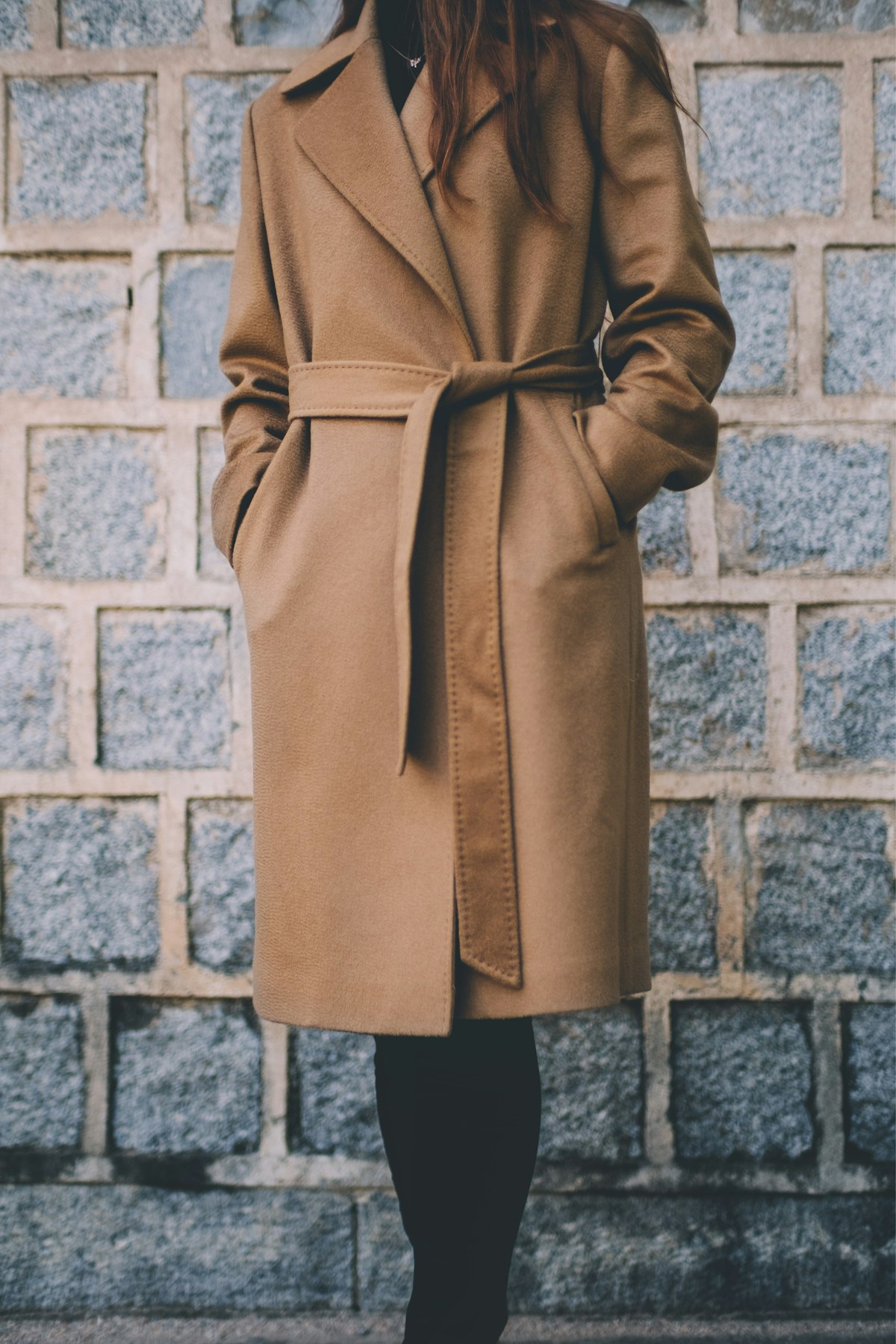
Cotton, wool, linen and silk are the fabrics that age well and stay in circulation. Cotton is breathable, tough and gets softer with wear. Wool is warm, naturally odour-resistant and springs back into shape. Linen only looks better rumpled and lasts for decades. Silk is delicate but, cared for, is genuinely timeless. A high percentage of any of these on the label is a green light.
“The label is a garment's honesty. Read it before you fall for the design.”
— The Bestis Editors
Denim: read the blend
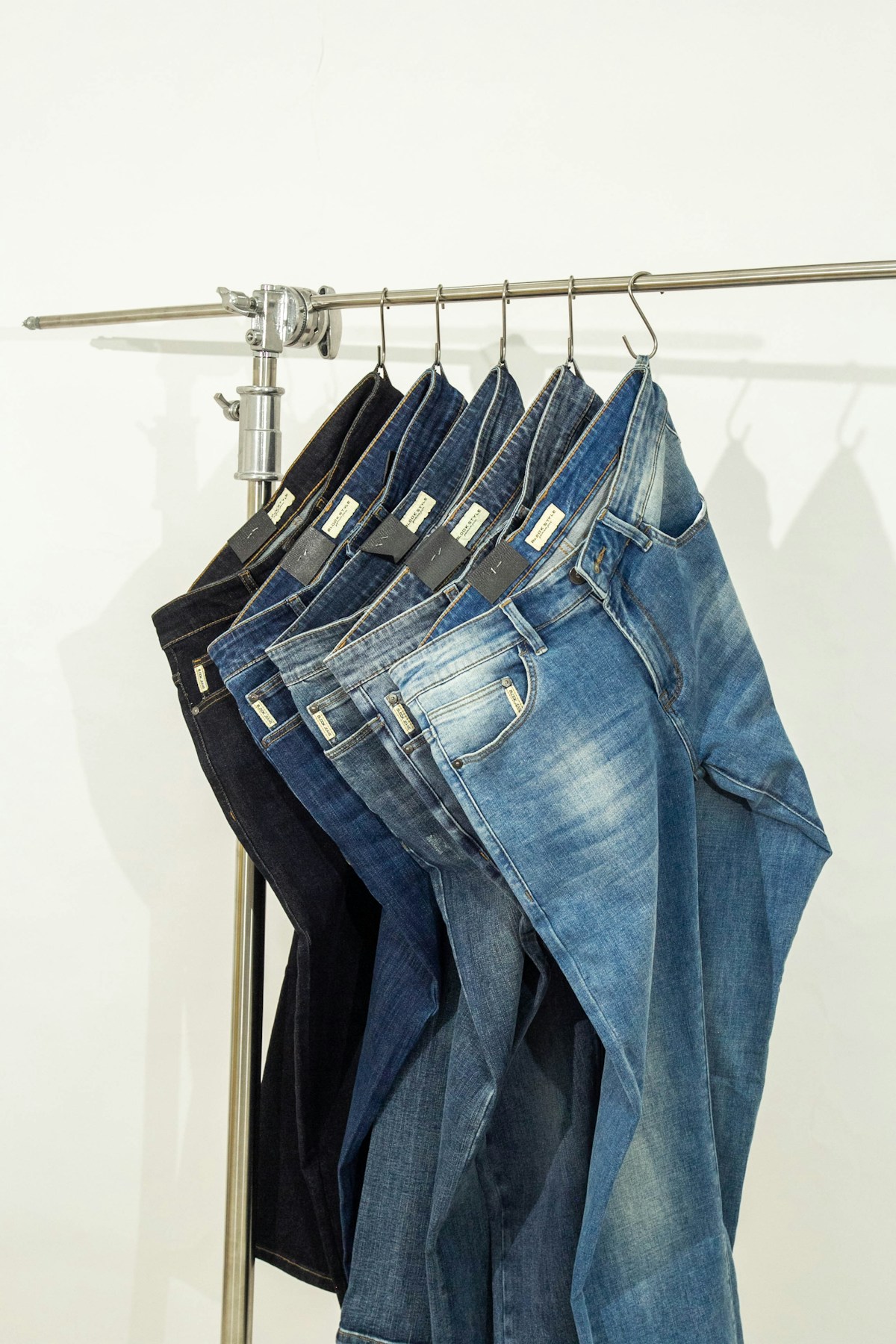
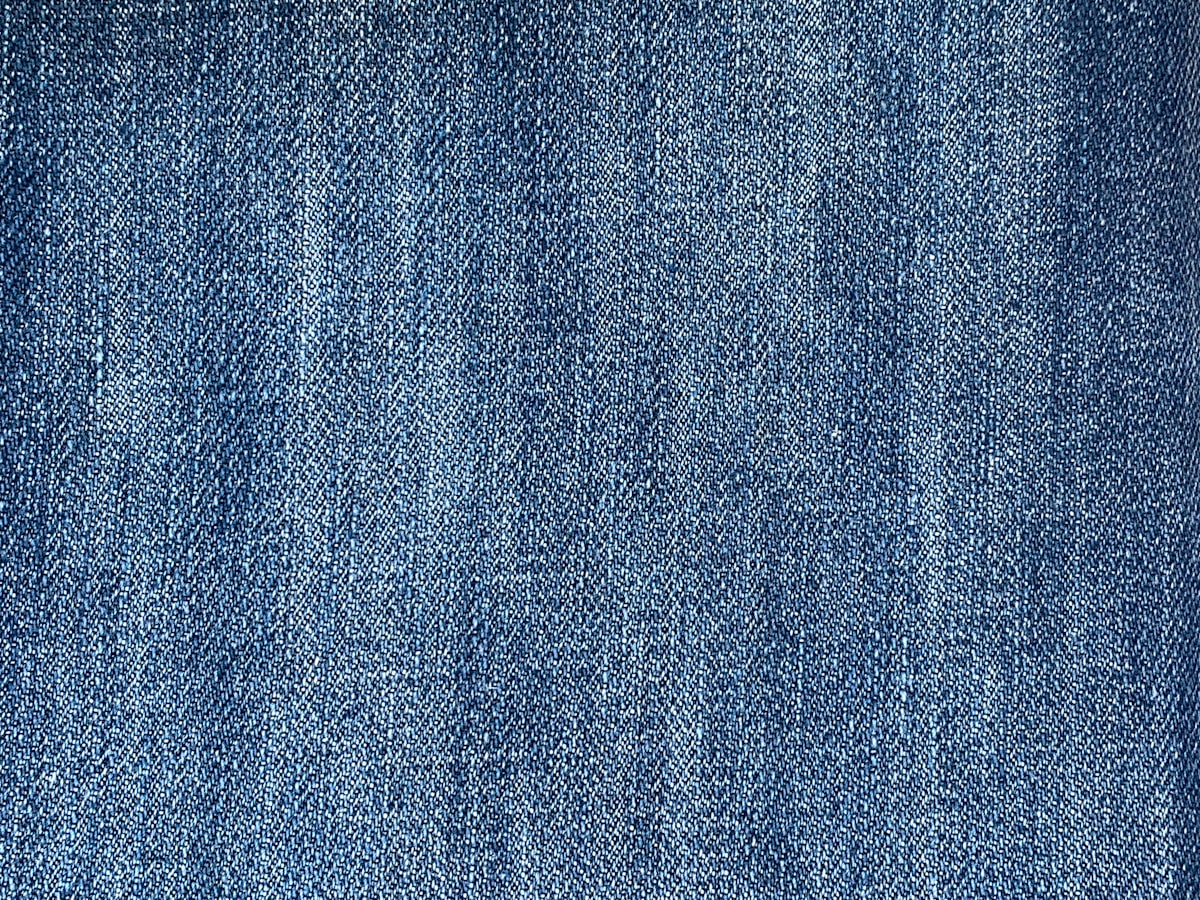
Denim is a swap-circle favourite because good jeans outlive almost everything — but the blend matters. Look for 98–100% cotton (with maybe 1–2% elastane for stretch). The higher the cotton, the better it wears and fades. Once you see big percentages of polyester or lots of elastane, the jeans will bag out and lose shape faster. Heavier denim generally means longer life.
Synthetics: swap with your eyes open
Polyester, acrylic and nylon aren't all bad — they add stretch, structure and water resistance, and a sports piece or a shell jacket needs them. But cheap, 100%-synthetic fast fashion pills quickly, traps odour, and sheds microplastics in the wash. It's the stuff most likely to wear out on your watch. If a piece is all synthetic, ask whether it's genuinely functional (activewear, outerwear) or just cheap.
The 30-second quality check
Beyond the label, a few fast checks separate keepers from throwaways:
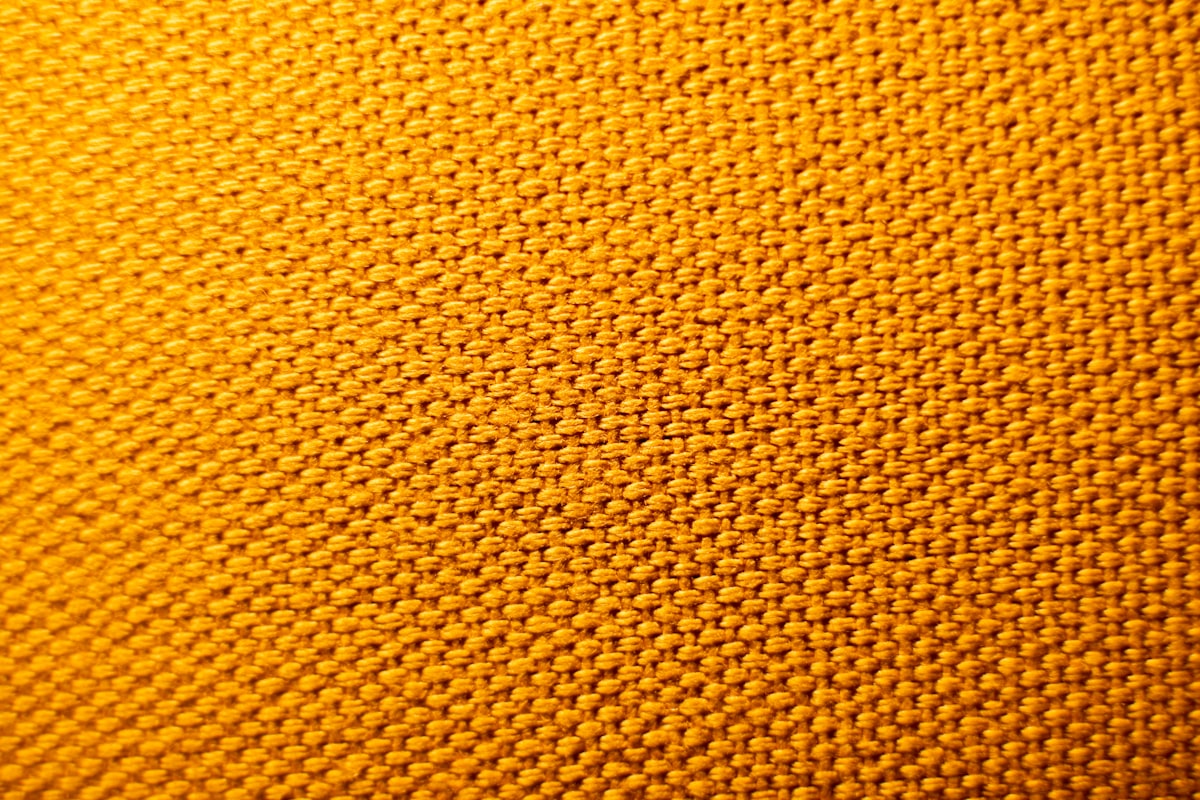
- Hold it to the light — dense, opaque fabric lasts longer than thin, see-through weave.
- Scrunch and release — good fabric bounces back; poor fabric stays creased.
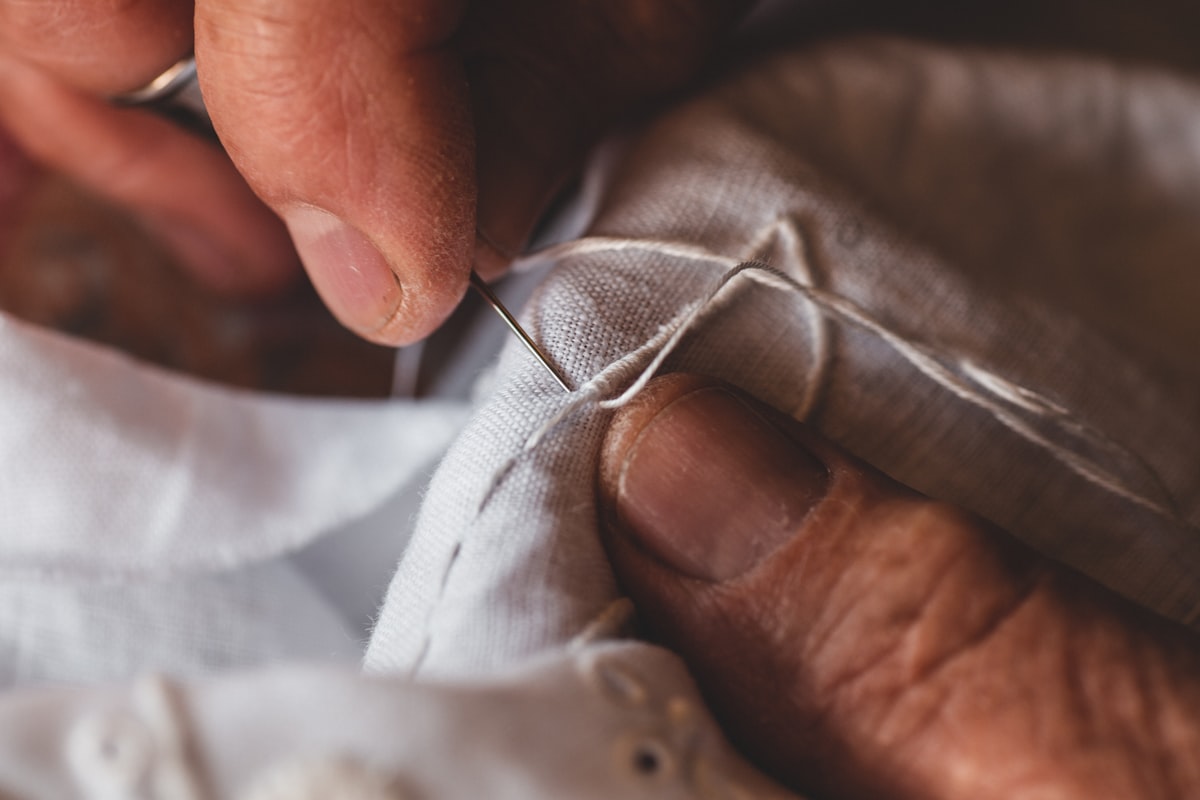
- Check the seams — straight, tight stitching with a little extra fabric inside means it can be altered and won't fray.
- Feel the weight — heavier usually means better construction (activewear aside).
Swap for quality, keep it in motion
Once you can read fabric, swapping gets addictive — you start spotting the well-made pieces others overlook and building a wardrobe that lasts. On Bestis, listings show materials and real close-up photos up front, so you can check the weave before you trade. Swap for the fabrics that keep their value, and keep the good stuff moving through your circles instead of the bin.
Start swapping your style
Bestis is the private network where you swap, borrow and sell with the people you trust.