Make It Last: How to Wash, Store and Repair Clothes So They Stay Swappable
Here's an uncomfortable truth: most clothes don't wear out, they get worn out. A jumper pills because it was washed too hot, a dress warps because it was hung wrong, a great pair of jeans gets binned over a seam that would've taken four minutes to fix. Every one of those is a piece that could still be in rotation — worn by you, or swapped on to someone who'd love it.
Caring for clothes is the least glamorous part of a circular closet and easily the highest-leverage. Get these habits down and everything you own stays swappable for years longer.
1. Wash less, and wash cold
Most of us over-wash. Jeans, knitwear and outerwear rarely need more than a spot-clean and an airing between wears — washing is what fades colour and breaks down fibres. When you do wash, go cold (30°C or below): it protects colour and elastane, uses a fraction of the energy, and cleans everyday clothes perfectly well. Turn things inside out, zip the zips, and use a mesh bag for anything delicate.
“Clothes don't usually die of old age. They die of hot washes, tumble dryers and wire hangers.”
— The Bestis Editors
2. Skip the tumble dryer
The lint you clean out of a dryer is literally your clothes, shredded. Air-drying is the single biggest thing you can do for a garment's lifespan. Hang shirts and dresses, but dry knitwear flat — hanging a wet jumper stretches the shoulders permanently. Keep bright colours out of direct sun, which bleaches them.
3. Store things properly
How you store clothes matters as much as how you wash them:
- Bin the wire hangers — use wide or padded ones so shoulders keep their shape.
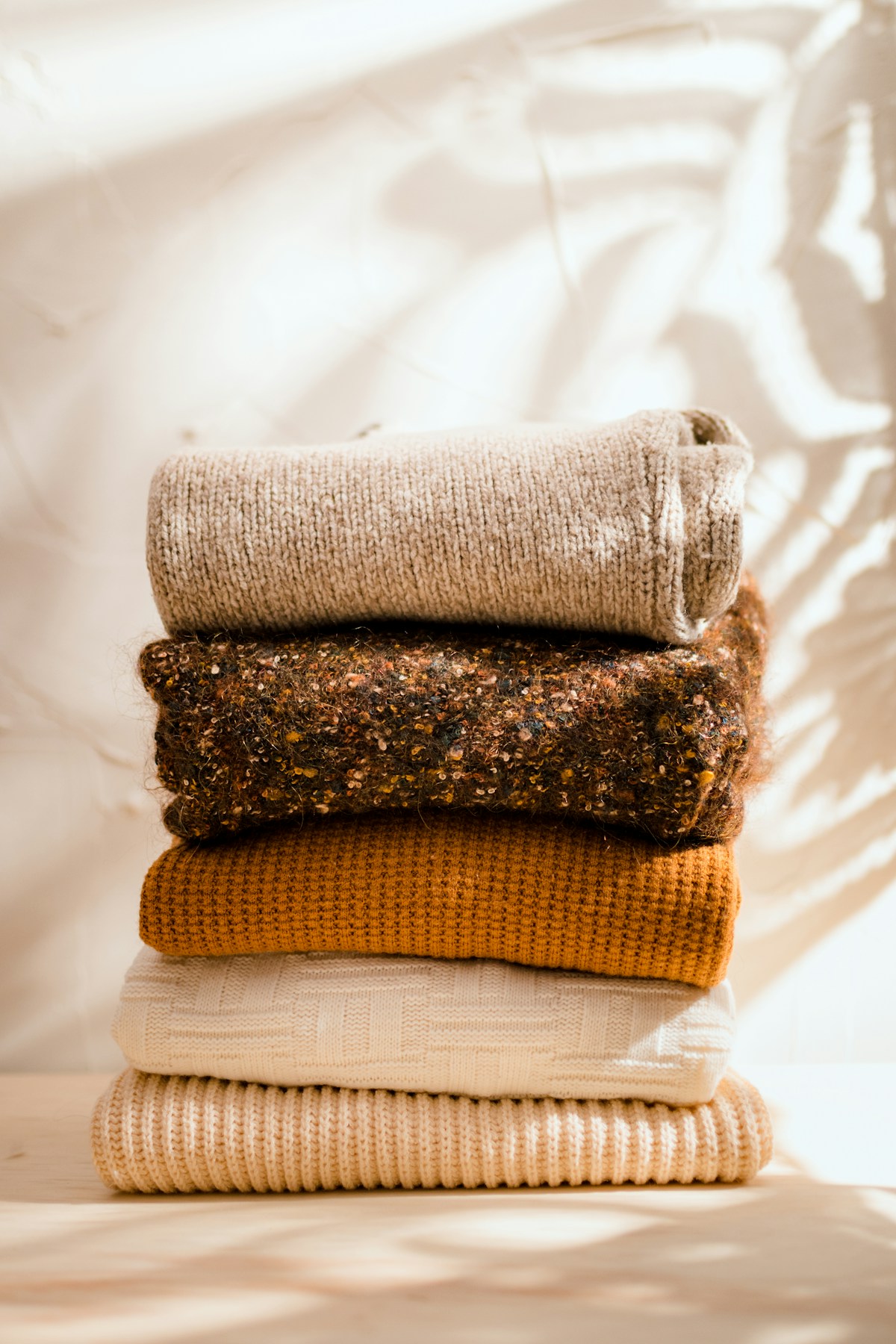
- Fold knitwear, never hang it; gravity stretches knits out of shape.
- Give things room to breathe. A crammed rail creases everything and wears the fabric.
- Store seasonal pieces clean and dry — stains set over time and moths go for dirty fabric.
4. Learn three repairs
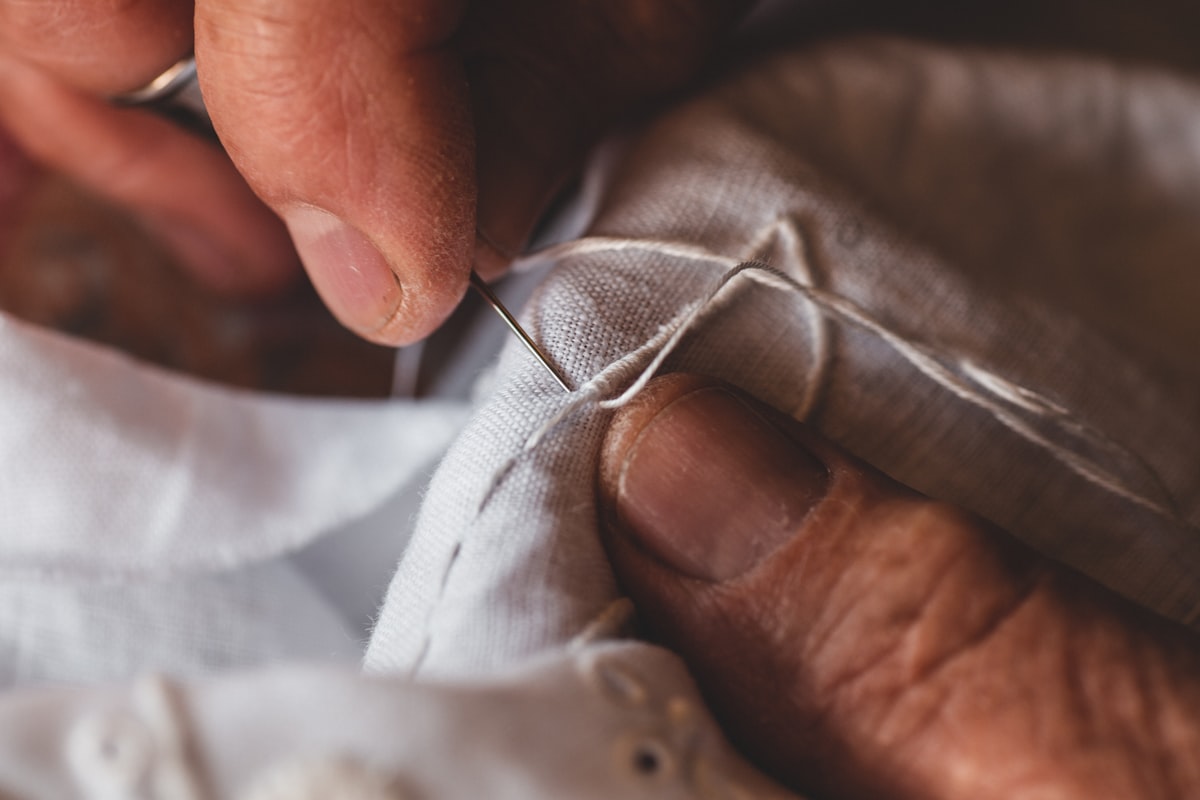
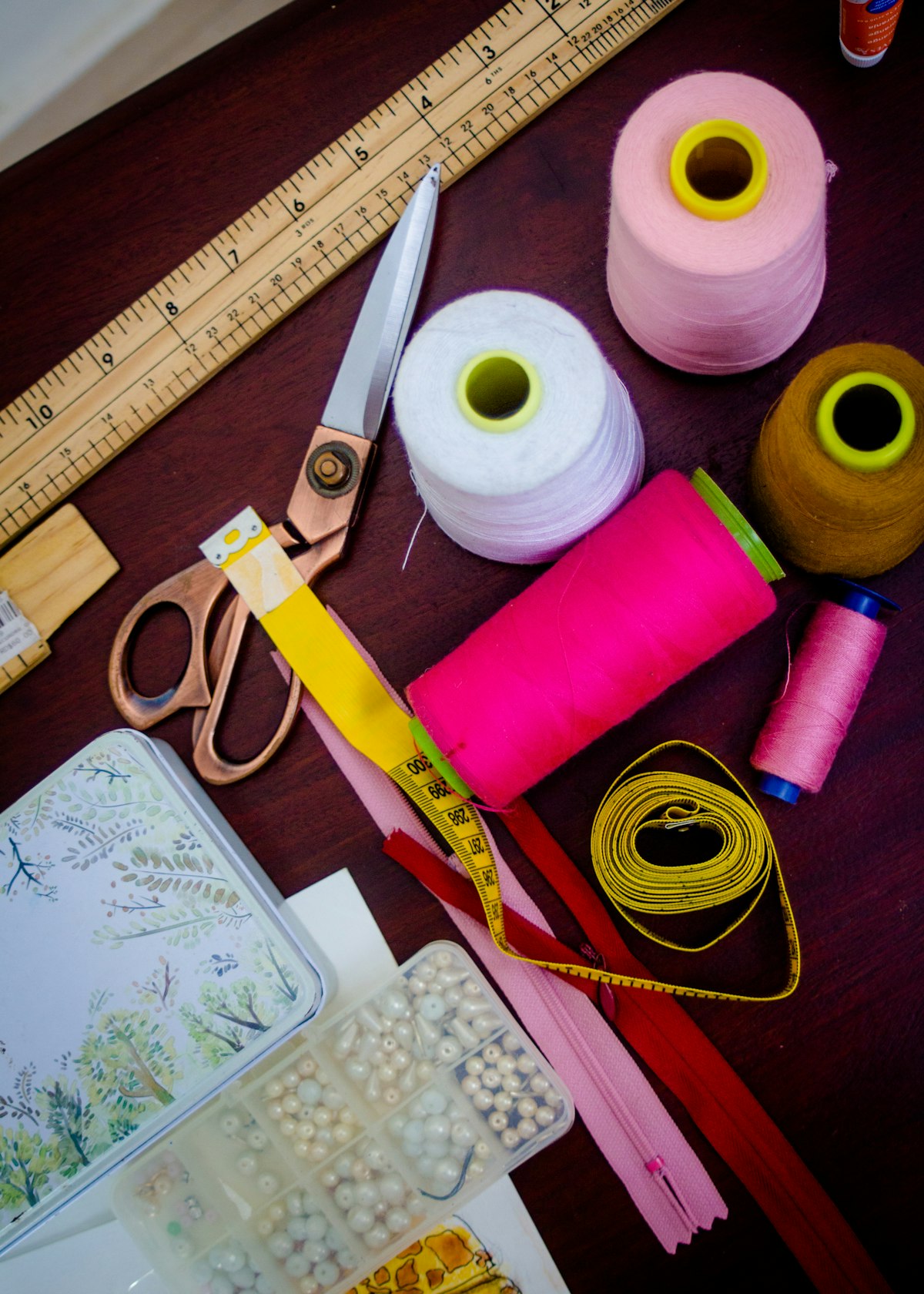
You don't need to sew properly. Three fixes cover nearly everything: sewing a button back on, closing a popped seam with a simple backstitch, and de-pilling a knit with a fabric shaver or a disposable razor. Each takes minutes and saves a garment outright. For anything beyond that — a broken zip, a hem, a proper tear — a local tailor charges less than you'd think, and far less than replacing the piece.
5. Treat stains fast
Nearly every stain is beatable if you get to it early and gently: blot, never rub; use cold water first (hot water sets protein stains like blood and dairy); and always test a hidden seam before applying anything stronger. A stain you dealt with tonight is a garment that swaps beautifully next month.
Care is what makes a closet circular
A well-kept wardrobe isn't just cheaper — it's the whole basis of swapping. Every piece you keep in great condition is one you can trade for something new to you, and one more garment that never becomes landfill. On Bestis, condition is what makes a piece desirable: look after your clothes, and your closet stays a currency you can keep spending.
Start swapping your style
Bestis is the private network where you swap, borrow and sell with the people you trust.