Shoes and Bags Secondhand: How to Judge What's Actually Worth Taking
Shoes and bags are where secondhand gets either very good or very disappointing, and the difference is almost never the price. It's whether you knew what to look at.
The rules you use for clothes don't transfer. A jumper that's been worn two hundred times is still shaped like a jumper. A shoe worn two hundred times is shaped like somebody's foot, and a bag carried that long has failed in five predictable places. Both are readable if you know where to look — and both are brilliant things to swap once you do.
Shoes: read the wear, not the size
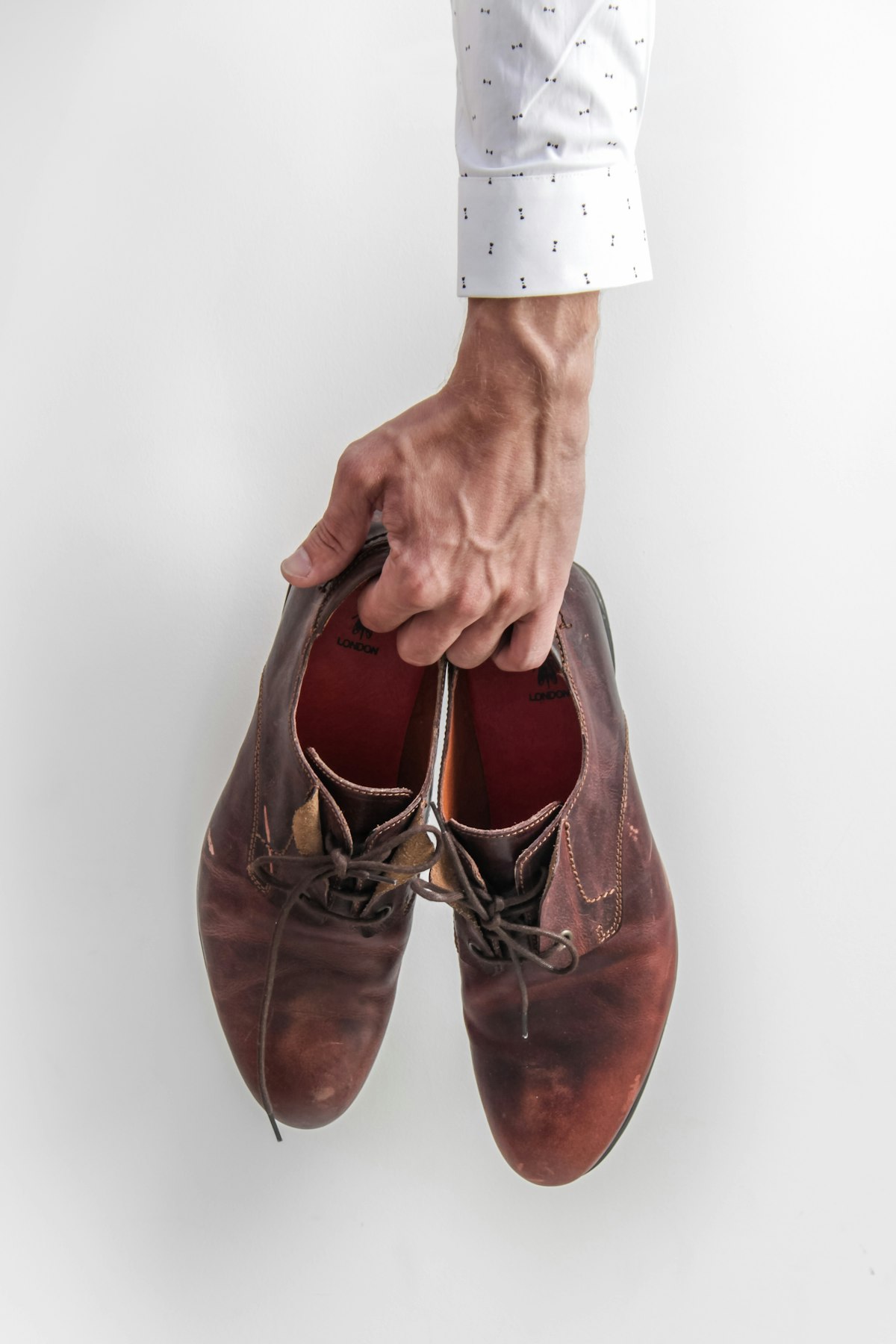
The label tells you what the shoe was when it was made. The wear tells you what it is now. Turn it over and look at the sole before anything else — the outsole is an honest record of how the last person walked, and it's the part that decides whether the shoe will ever feel like yours.
- Outsole wear: even across the tread is ideal. Worn hard on one edge means the shoe has already tilted to somebody else's gait, and it will keep tilting under you.
- Heel counter: squeeze the back of the shoe. It should push back. If it folds flat, the structure holding your heel in place is gone and no insole fixes it.
- Toe box creasing: soft creases are normal and honestly quite nice. Creases that have cracked through the finish will keep splitting.
- Insole impression: a deep dark print of five toes means the footbed has permanently compressed. Replaceable in some shoes, not in most.
- Midsole (on trainers): press the foam along the side. If it stays dented, the cushioning is spent, whatever the upper looks like.
- Heel lining: worn through to the backing rubs. It will rub on you too.
“The sole is the honest part of a shoe. Everything above it can be cleaned up; the sole tells you what actually happened.”
— The Bestis Editors
What a cobbler fixes, and what nobody does
A surprising amount is repairable, and cheaply — which is exactly why lightly-flawed shoes are the best value in secondhand. Worth taking on: heel tips, new insoles, a resole on anything with a stitched sole, stretching a half size in leather, restitching a loose seam, and cleaning that looks impossible but isn't.
Not worth it: collapsed midsole foam, a cracked-through toe box, a heel counter that's given up, mould inside the lining, and any shoe that's been soaked and dried into a new shape. Those aren't flaws — they're the shoe's ending, and it arrived before you did.
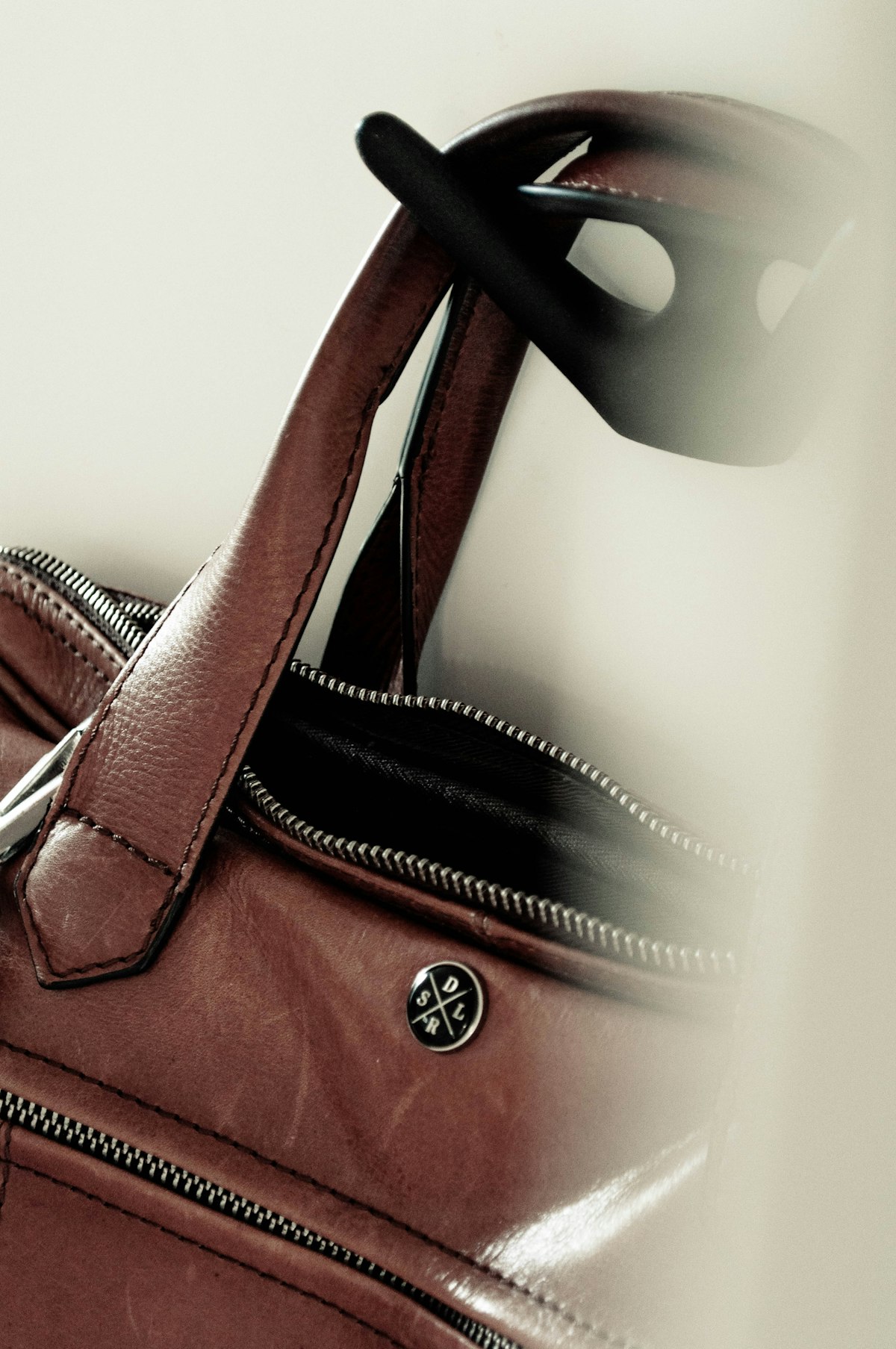
Bags: five places, every time
Almost every bag that disappoints somebody failed somewhere on this list, and all five take about forty seconds to check.
- Strap attachment. Where the strap meets the body is the highest-stress point on the whole bag. Look for stretched holes, tearing at the stitch line, or a rivet that's started to pull through.
- Corners. The bottom corners scuff first. Surface scuffing is fine and expected; worn through to a different colour underneath means the material is thinning.
- Zip. Run it end to end twice. A zip that catches will always catch, and replacing one on a lined bag costs more than people expect.
- Lining. Turn it out. Pen marks, makeup and old crumbs are cosmetic; a torn lining seam usually means things have been falling into the base for a while.
- Hardware. Plating wears off buckles and feet first. Check the clasp actually holds shut under a tug rather than just looking closed.
One more, and it's the one people forget: smell it. Smoke and damp live in a lining and are close to impossible to shift. Leather that smells like leather is a very good sign.
When the size on the label is fiction
Shoe sizing is less standardised than clothing sizing, which is saying something. The same number varies by brand, by style within a brand, and by the shape of the last the shoe was built on — a narrow Italian last and a wide running last in the same size are different shoes entirely.
So work from a measurement instead. Know your foot in centimetres, heel to longest toe, measured at the end of the day when your feet are at their largest. Ask the person you're swapping with for the insole length rather than the size, and wear the socks you'd actually wear. That one habit ends most secondhand shoe regret.
A word on the expensive ones
For a designer bag, condition and authenticity are two separate questions and you need both answered. Condition you can judge yourself with the list above. Authenticity is worth slowing down for, especially at the price point where a fake becomes worth somebody's effort — and it's a good reason to trade inside a circle where names and histories are attached to people.
Why these are the best things to swap
Shoes and bags are where the wrong purchase hurts most. They cost more than most garments, they're the hardest to judge from a photograph, and they're the items people most often own in the wrong size because a sale was on and hope got involved.
Which makes them nearly perfect for swapping. Somebody in your circle has a pair that's beautiful and half a size out, and the bag that never suited the way they actually carry things. You can ask the questions this article is made of — what does the sole look like, how does the strap sit, what's the insole length — and get real answers from a real person rather than a listing photo taken at a flattering angle.
On Bestis, that conversation happens before anything changes hands. Swap the pair that was never quite yours for the pair that is, and let the good shoes keep walking.
Start swapping your style
Bestis is the private network where you swap, borrow and sell with the people you trust.